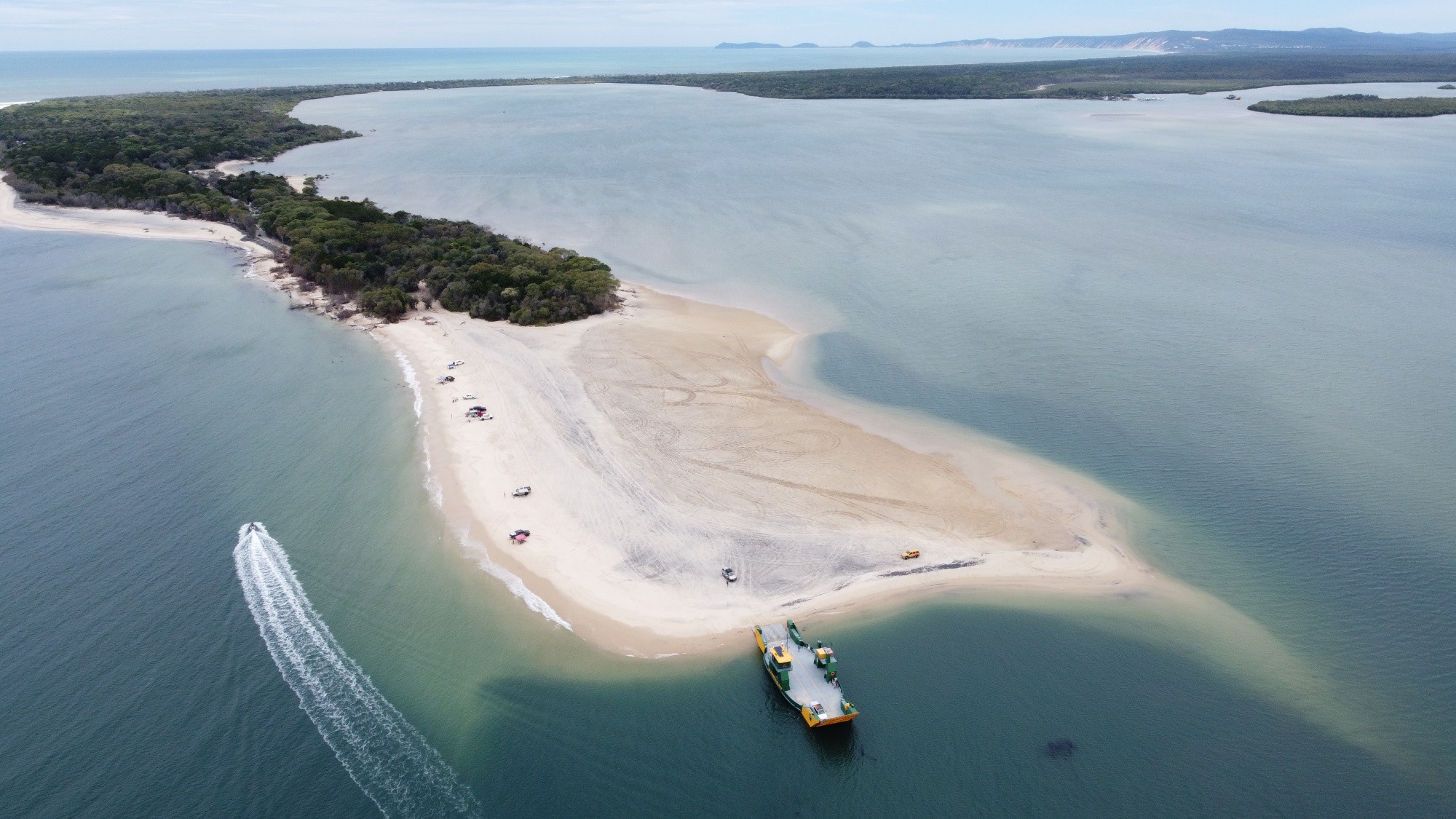


If K’gari (Fraser Island) is on your list, you may ask why it carries a dangerous label and what that involves for your trip. This World Heritage location feels wild and remote with dense rainforests and vast sand dunes. That mix can catch a first-time traveller off guard.
Most K'gari dangers come back to a few core risks. The main ones are ocean surf on 75 Mile Beach, 4WD travel, dingoes and distance from help, with a handful of other hazards worth knowing before you go.
With clear K’gari Fraser Island safety tips and a check of the K’gari conditions report, you can plan with more ease and less doubt. Safer swim spots are easy to find.
K'gari gets its reputation for danger from a few main factors. The open ocean along 75 Mile Beach holds the hidden pull of powerful rip currents, silently shifting sandbanks and unpredictable surf that demands deep respect. The scent of salt air meets heavy waves that crash with immense force.
Wildlife such as dingoes act on instinct and become bold when food or rubbish gets left out. Sand tracks demand steady 4WD skills because they differ so much from regular paved roads. Remoteness shapes the entire trip since help may sit hours away from your secluded spot.
Weather shifts can quickly alter the track conditions and turn firm ground into soft traps. Headline risks often sound dramatic but the most common incidents involve preventable choices. Rules on K’gari (Fraser Island) are stricter than at many mainland beaches for good reason.
The island asks travellers to make calm and informed decisions at every step. Self-drivers and first-time arrivals need extra care to navigate the terrain safely. Most risks are dependent on where you wade, when you drive and how you store food.
The core hazards on the island fall into several main categories.
| Hazard Category |
Key Risk Factors |
| Open ocean |
Rip currents, marine life and heavy surf |
| Wild dingoes |
Instinct-driven behaviour and habituation |
| Sand tracks |
Soft sand, tides and 4WD skill needs |
| Remoteness |
Distance from fast medical or mechanical help |
Thoughtful preparation brings peace of mind and lets you relax into the natural environment.
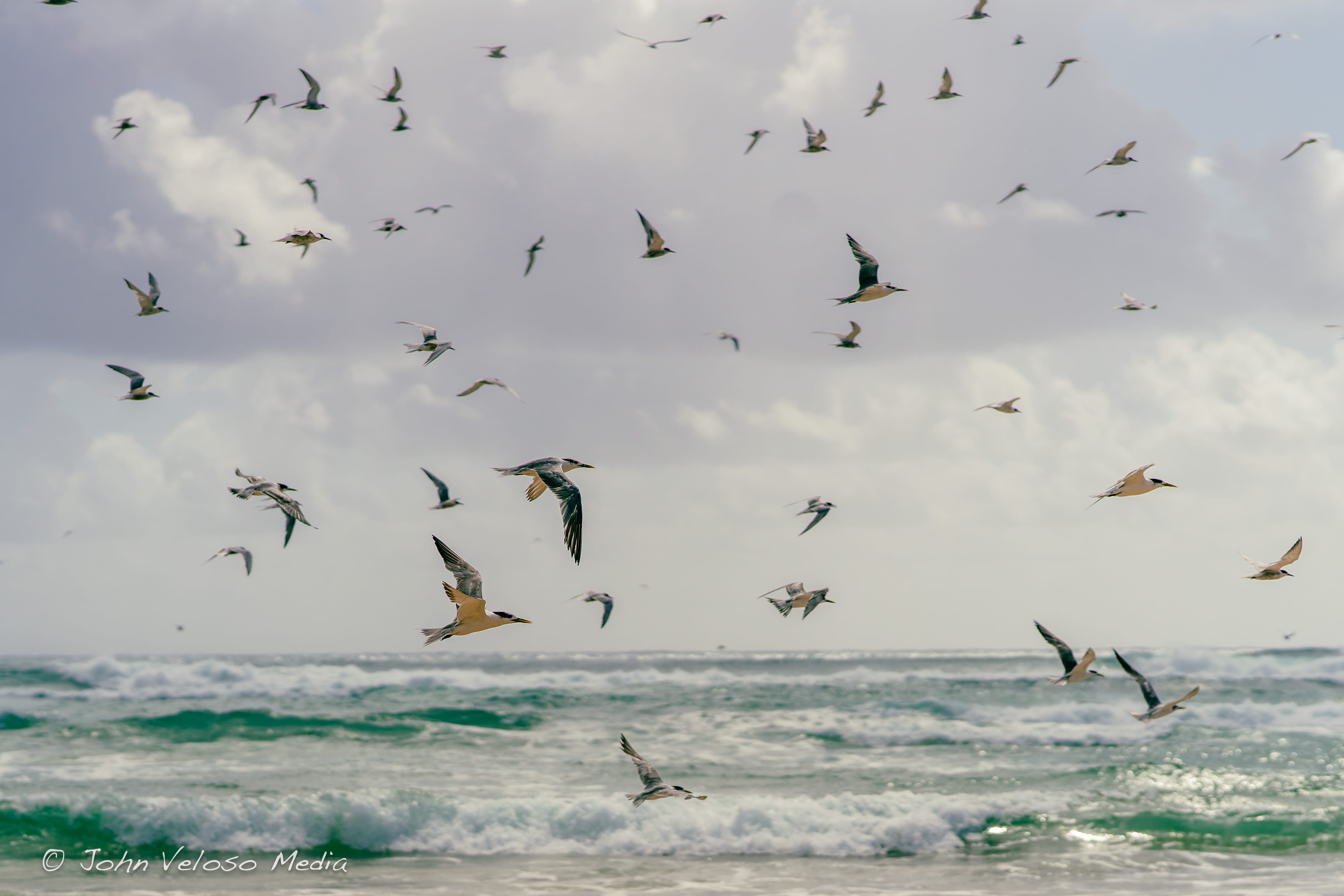
The vast stretch of 75 Mile Beach draws you in with the roar of heavy surf and an endless, sun-drenched sky. Strong rip currents and powerful waves make these waters unpredictable even for confident adults. Zero patrolled areas exist along this coast so rescue support is far away.
A rip current is a strong flow of water that pulls away from the shore. This means it can sweep a person out to sea in seconds before anyone notices. You must always respect the sheer power of the ocean in this wild landscape.
K’gari (Fraser Island) sharks silently glide close to the shoreline in search of their next meal. A shallow wade carries danger, especially at dawn and dusk when shadows stretch across the sand. Marine stingers on K’gari, such as Bluebottles and rare Irukandji, may appear with the shifting wind and tide.
A sting or bite can turn a peaceful afternoon into a medical emergency. The island offers freshwater lakes and creeks for a cool and low-risk dip, such as Lake McKenzie. These alternatives help you savour the natural environment without the worry.
Safer water choices include three main options.
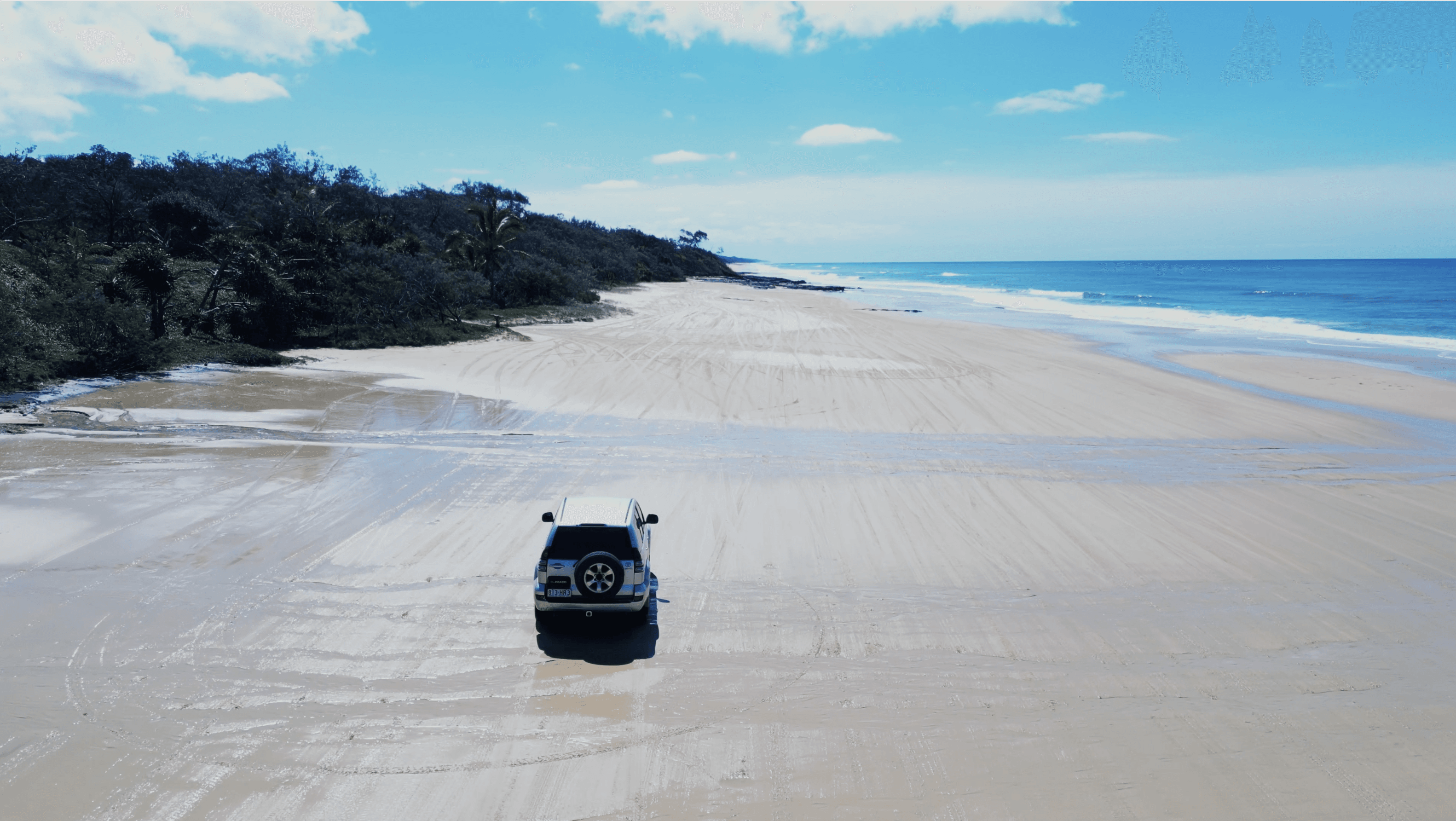
A drive along 75 Mile Beach may feel like freedom but the conditions demand attention. Queensland Parks confirms that K’gari’s
sand tracks
are rough and only suitable for high-clearance 4WD vehicles with low-range capacity. The main causes of 4WD accidents in the island are
speed, overinflated tyres, driver fatigue and bad tide choices. Even experienced drivers can underestimate how soft sand shapes the journey.
A pinch point is a narrow strip of sand between the ocean and the dunes. This means high tide removes safe lanes and forces vehicles into dangerous spots. Always check the K’gari Fraser Island tide times chart before a departure and aim for low tide windows.
Keep tyre pressure low for better grip and a smoother ride on soft sand. Avoid sharp turns and sudden stops to reduce rollover risk. Look out for aircraft zones, people on foot and deep channels near creek mouths.
Beach travel rules keep everyone safe.
For couples and small groups, a relaxed pace reduces stress and prevents costly errors. Swap drivers if fatigue sets in and never rush to beat the tide. With calm habits, a 4WD trip along 75 Mile Beach becomes a more safe and memorable part of your adventure.

Wild dingoes shape many of the headlines about K’gari (Fraser Island) dangers. Most incidents link back to small and preventable
actions from visitors. As Queensland Parks notes, dingoes are
apex predators
in the island's ecosystem and should never be confused with domestic pets. Dingoes may approach if food or rubbish sits unsecured or if
people offer food.
Habituation is a process where wild animals lose their fear of humans over time. This means a curious animal can quickly become bold or aggressive if encouraged. Dingo safety on K’gari starts with distance and a calm presence.
Keep food and rubbish stored in sealed containers and never leave scraps outside. Walk in groups, especially at dawn or dusk and stay calm if you notice a dingo nearby. Avoid running or sudden movements that might trigger a chase instinct.
If a dingo comes close, you must stand tall, face the animal and back away slowly to a safe area. Never approach or call a dingo for a photo. At remote or quiet camp areas, you should move to a busier spot if you feel uneasy.
Remoteness is the physical distance from fast medical or mechanical help. This means a small issue can grow into a major problem with time and distance. Medical help and mechanical support are often hours away from your secluded spot.
Careful trip preparation is your best friend when you travel far from towns. Travel with a buddy and share your route with someone on the mainland. A relaxed pace prevents missed turns and fatigue.
Self-reliance starts with a few essentials like plenty of water, a simple first-aid kit, torch and snacks. Basic recovery gear for your 4WD is also vital for a safe trip. Impatience can arise in situations involving tyre damage and waiting for assistance in a quiet patch of sand.
Check official park updates before a departure each day. The K’gari conditions report and weather alerts help you match your plans to real-time safety advice. You can then relax into the wild landscape with absolute confidence.
K’gari features inland sand tracks that invite you to slow down and take in the lush, dappled light of the ancient rainforest. Deep ruts, sudden washouts and limited visibility can turn a peaceful drive into a test of patience. If wheels start to sink, you must avoid heavy throttle.
More power commonly makes a bog worse and recovery much harder. Around freshwater lakes and dunes, the sand shifts underfoot with every step. Edges can look firm but hide slippery and packed layers beneath shallow water.
An unstable dune is a steep bank of sand that lacks solid support. Queensland Parks warns that exposed sand dunes and sand cliffs can collapse without warning, with serious injury or death as a possible result. Falls and sudden impacts are not unusual in these fragile areas.
Simple habits help you stay safe and protect the environment. Wear sturdy footwear and keep good spacing on a walk. Enter lakes at lower-risk spots and avoid jumping down dunes.
Open sands and endless sky can make a short walk feel intense on a bright day. Heat stress often builds on long beach drives where reflective glare hides how thirsty you become. Wear light clothes, use hats and seek shade in peak sun.
Carry water and electrolytes to top up before you feel tired. Sudden weather shifts can roll in from the ocean and turn firm sand into soft. These storms reduce visibility fast and force you to adapt.
Cooler months bring different risks that require warm clothes. Wet clothes and wind chill can catch you out if you get delayed by a breakdown. Keep a simple rule to slow down and reset your plan if heat or storms start to build.
Most land wildlife on K’gari keep a low profile and avoid human contact. Snakes and spiders often shelter along grassy edges and bush track margins. Watch your step and use a torch at night to stay safe.
Goannas love to scavenge in camp areas and picnic spots. Secure all food and rubbish carefully to deter them from your site. Rarely do crocodiles pass through waterways or lagoons on the island.
Park signs give the safest guidance so follow posted advice without doubt. Ticks may hide in dense bush so wear long sleeves and check your skin after a walk. If someone gets a bite or sting, you must stay calm and use basic first aid.
Simple habits deter local wildlife.
Seek quick help for severe pain or allergic reactions. Most issues are clear with steady and low-fuss care.
Preparation for your K’gari (Fraser Island) journey sets a peaceful tone for the days ahead. Careful plans keep your trip smooth and let you savour the wild landscape of the island.
Make sure you have your vehicle access permit and camp permit sorted before departure. Map your route, look over tide charts and set modest daily drive distances. Allow extra time for scenic stops.
Check the K’gari conditions report and any park alerts before you go. Island weather, tides and road conditions can shift fast. Fresh updates help you avoid surprises and stay safe.
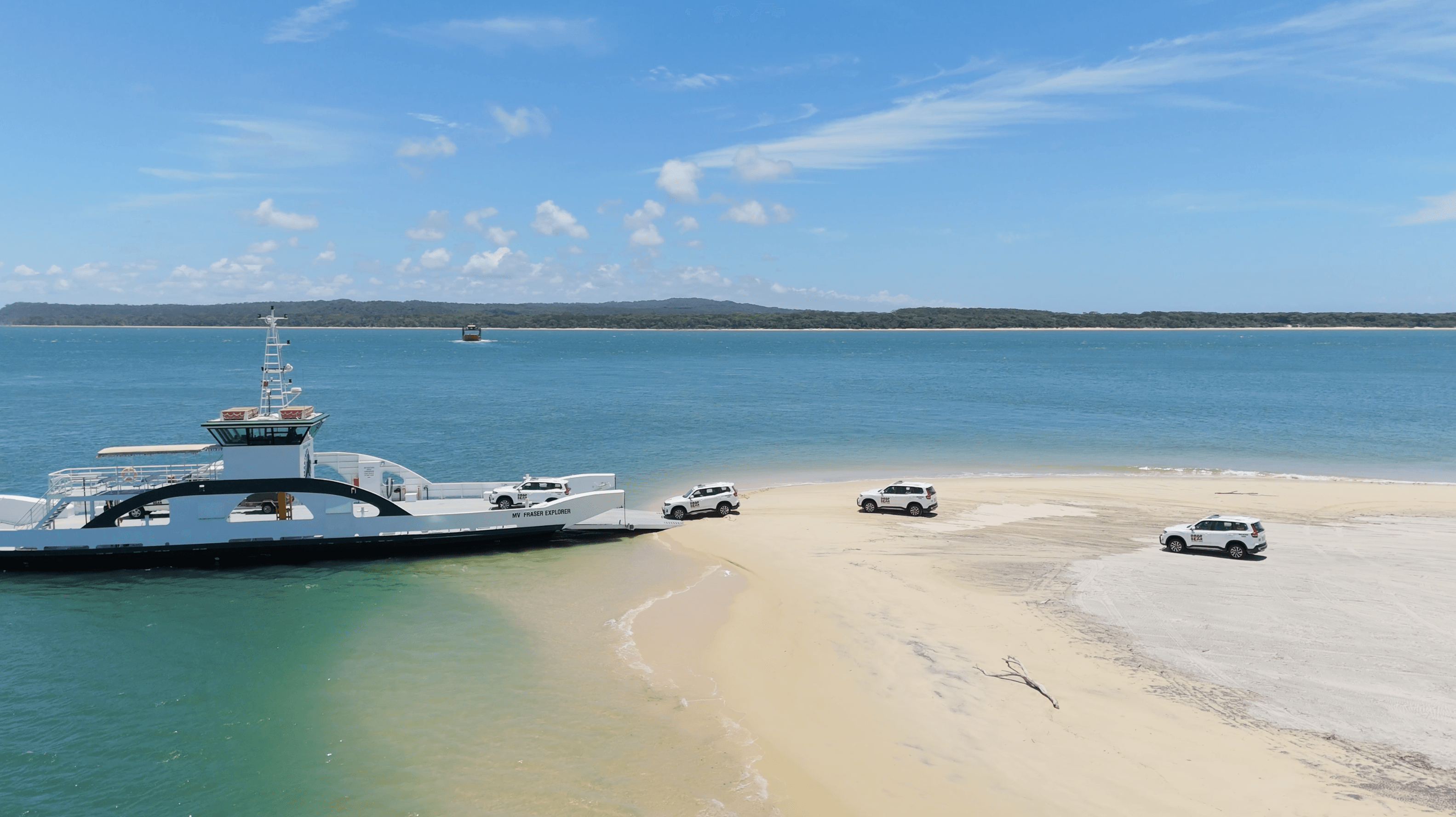
Plan your travel with the Mantaray Barge from Inskip Point or the SeaLink ferry from River Heads. Book your preferred Mantaray Barge or SeaLink ferry trip and allow buffer time for weather delays. A calm start makes the whole trip better.
Pack for real-world island days. Bring plenty of water, communication devices, a basic first-aid kit, chemical-free sun protection and warm layers. Add recovery gear such as a shovel, tyre gauge and recovery boards for your 4WD.
Check your tyre plan and fuel range before you leave the mainland. Download maps for offline use and carry paper backups if you can. Aim to arrive at your key stops in daylight for easier navigation.
A little mindful preparation ensures your K’gari (Fraser Island) escape feels effortless. You will feel relaxed from the moment you arrive.
An adults-only base makes every K’gari Fraser Island trip feel simpler and safer. Wake up to ocean views with fewer logistics and less rush. Enjoy secure food storage, hot showers and all the essentials for peace of mind.
Key tips for a smooth stay include freshwater lake and creek swims, drives with the tides and dingo awareness. Optional 4WD hire packages take the guesswork out of each day.
When you slow down and settle in, you let nature work its quiet magic.
Ready to embrace the island safely and comfortably? Contact us, pack your bags and get ready for an unforgettable coastal escape.