
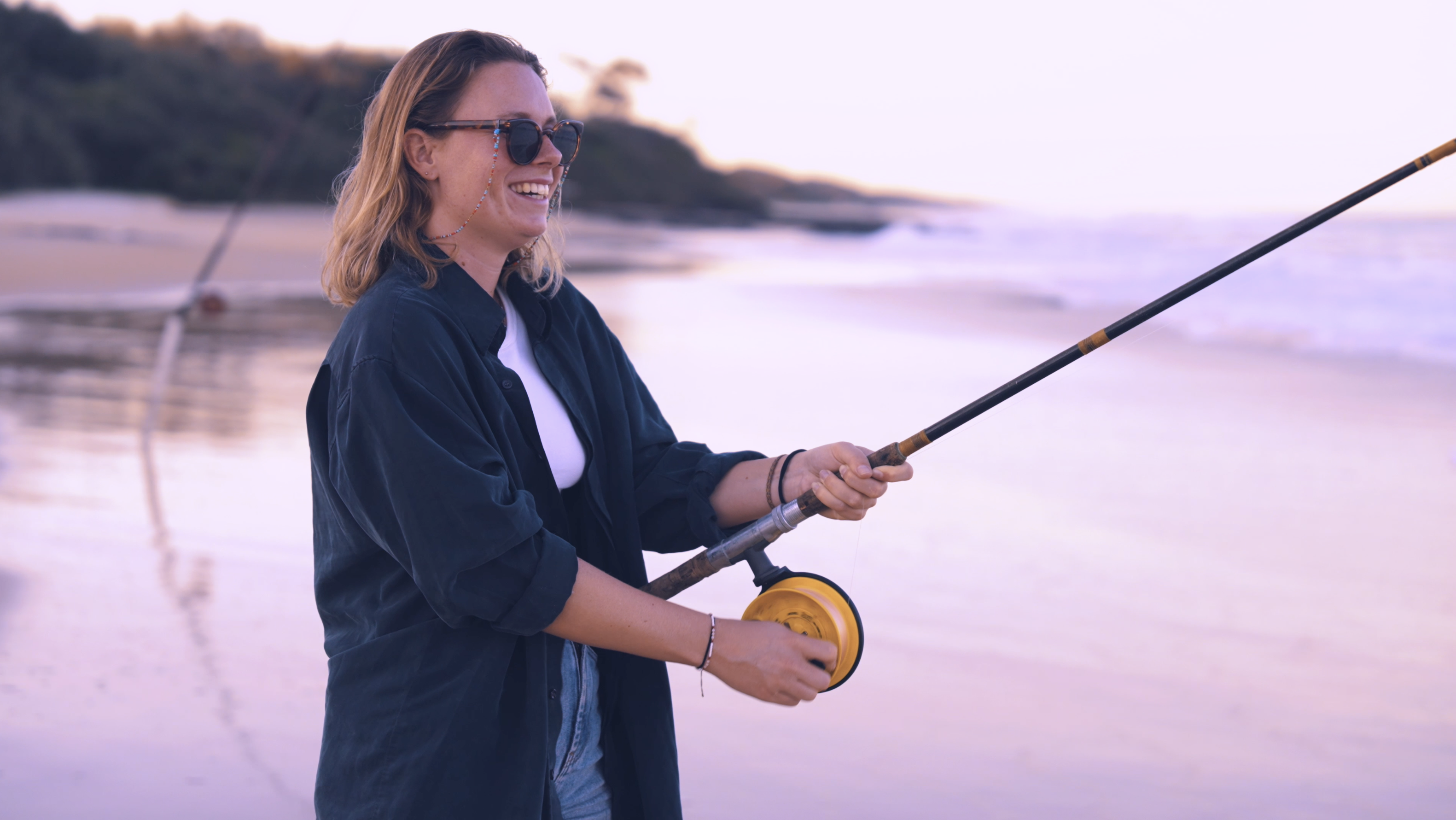
If you want to fish K’gari (Fraser Island) well, you need a clear plan. Deep, churning gutters and sweeping, open surf offer thrilling chances to catch local species. Tides and quick weather shifts can make 75 Mile Beach hard to read at first.
A better approach is to keep each session simple. Pick your target species and find the right structure for your cast. Choose the best bait for K'gari and cast during the correct tide window to feel the thrill of a sudden strike.
With the right spots and rules in mind, your trip to fishing on K’gari will feel calm and highly rewarding. Soft sand beneath your feet and the scent of salt air create a peaceful retreat from daily demands.
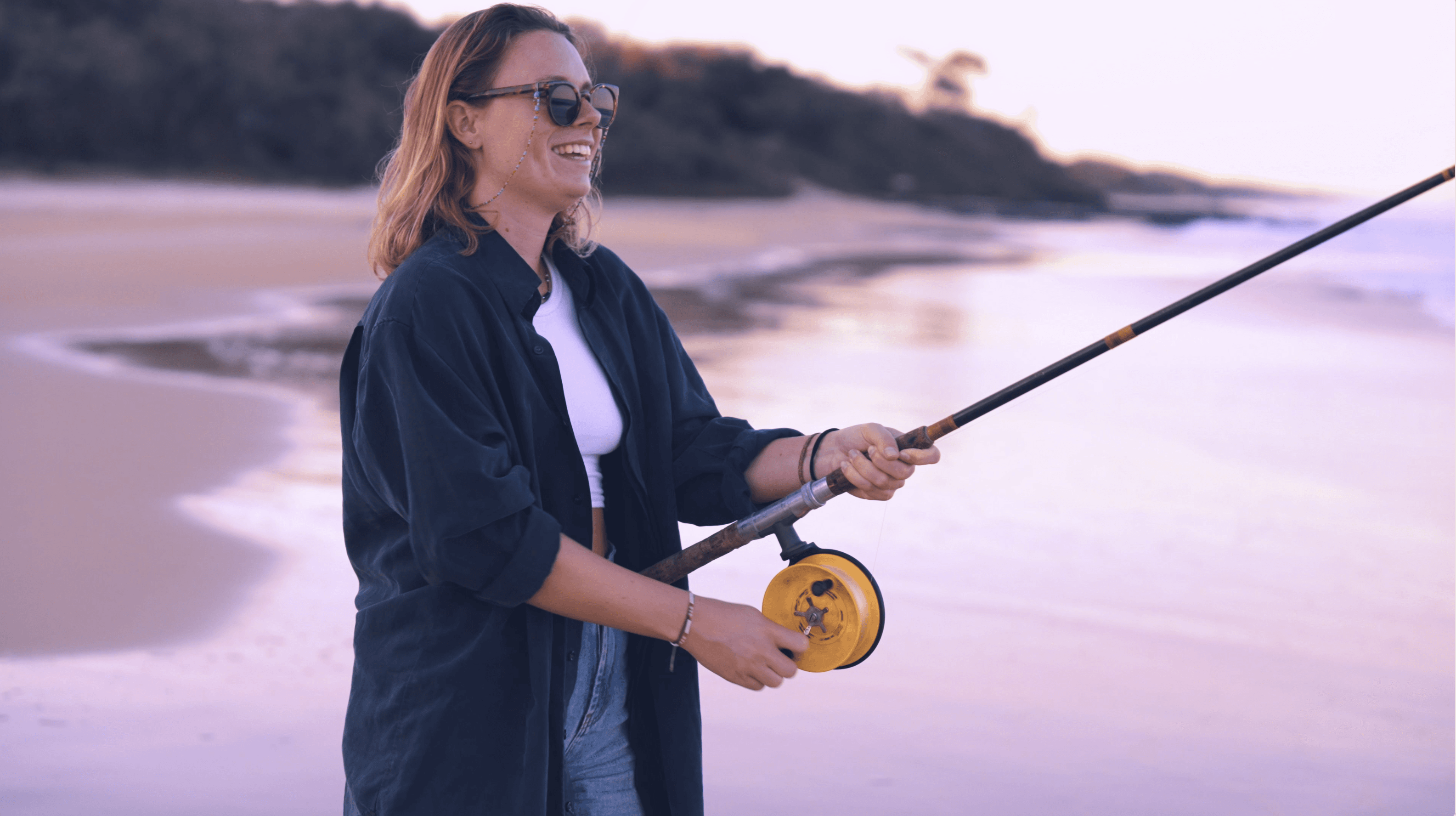
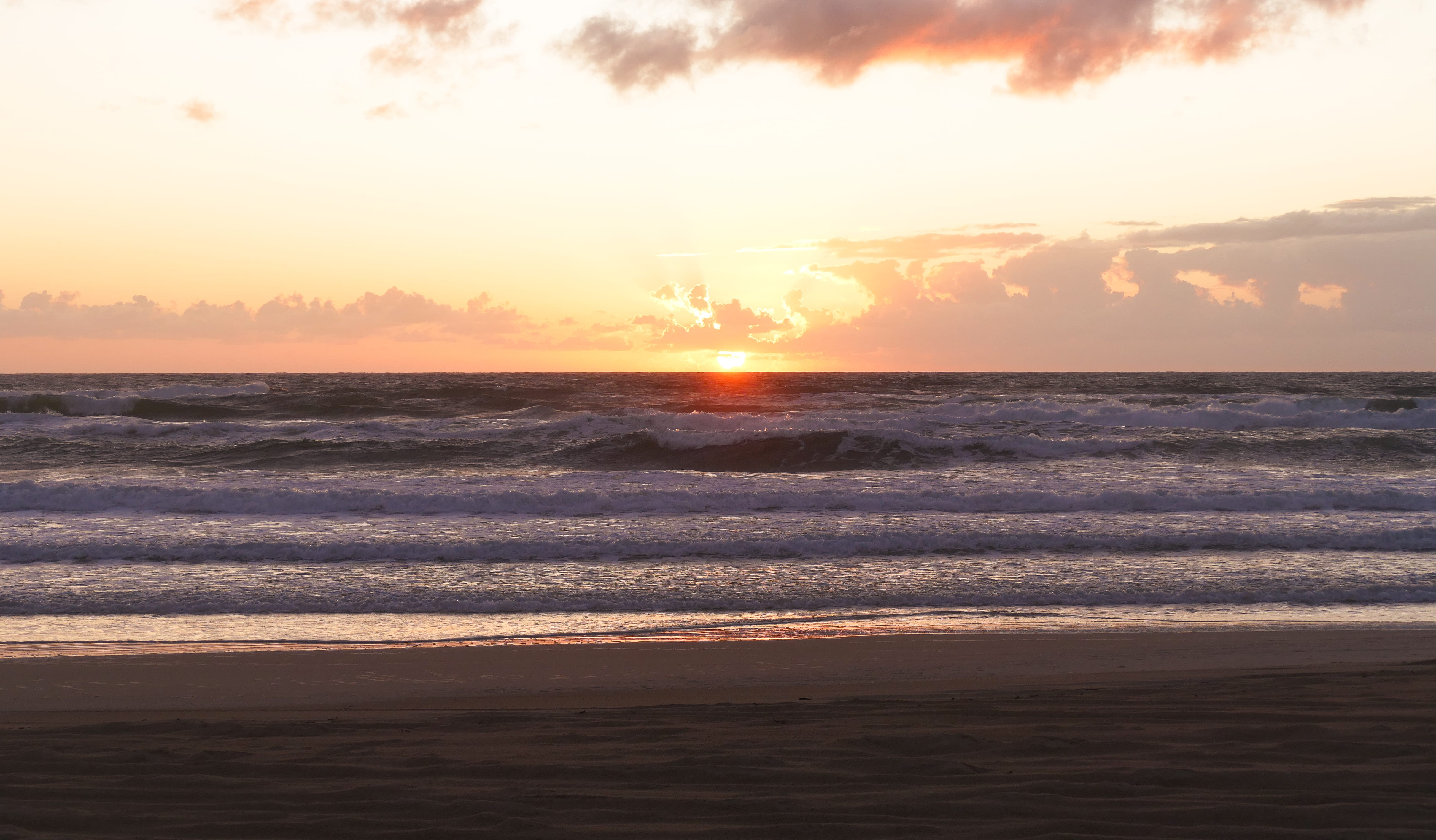
Soft sand and long surf zones set the tone for fishing trips on K’gari. On 75 Mile Beach, you notice deep holes beside sandbanks where fish hunt in the wash. Cool, dawn light and the steady rhythm of waves create a gentle start to the day.
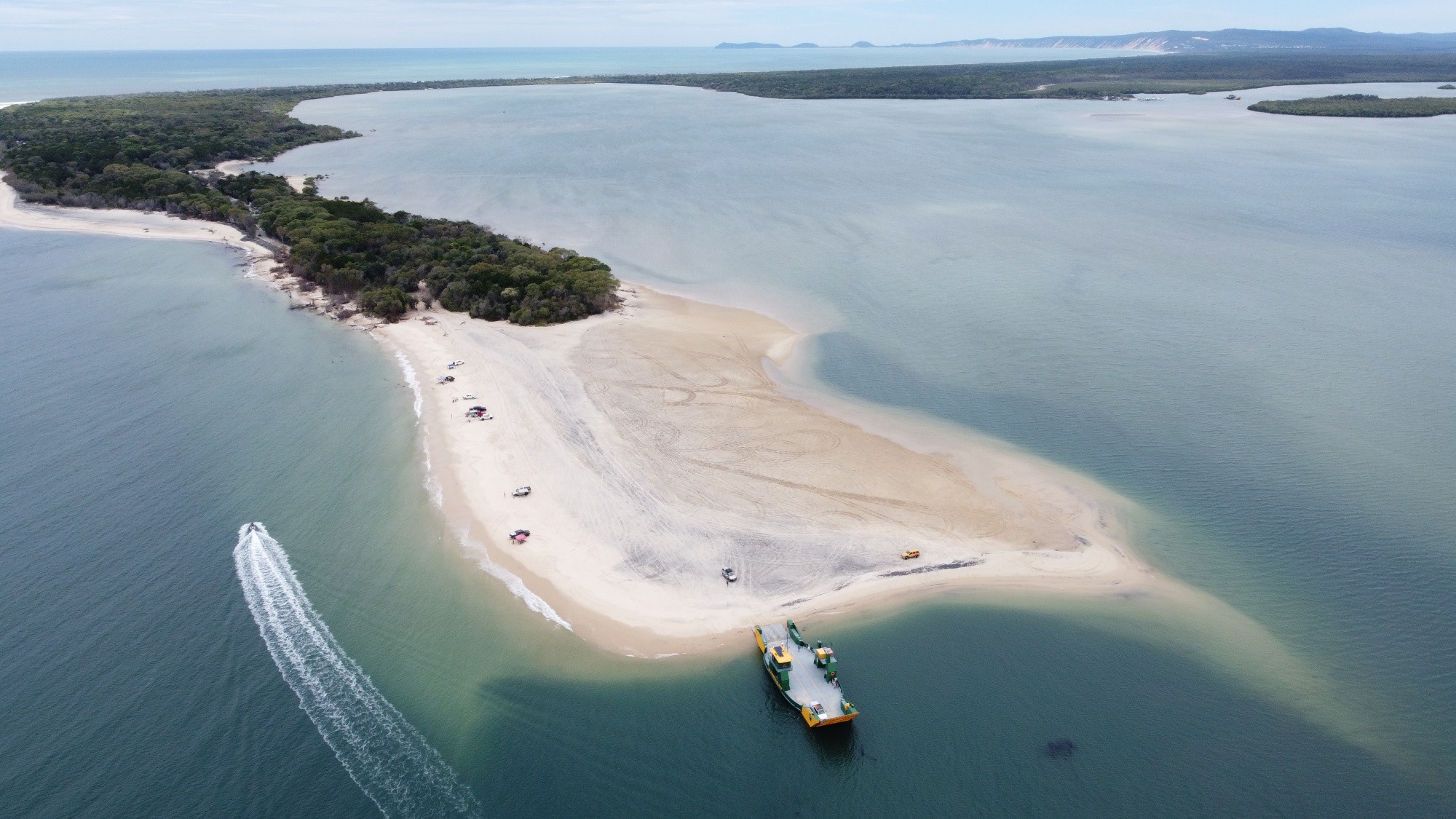
Access shapes each trip and requires proper preparation. You need a 4WD to reach most spots because services remain limited across the island. Consider 4WD hire packages. The Mantaray Barge drops you on the soft sand and the coastal journey begins immediately.
Some gutters fill with people during tailor season but the beach offers plenty of room. You can drive a few minutes further to find your own quiet space. The vast open shoreline of 75 Mile Beach ensures you never feel crowded as you breathe in the fresh ocean breeze.
The real reward is the quiet atmosphere. Leisurely casts from open sand and the sound of surf let you slow down completely. Many adults find trips here focus more on the natural rhythm than the actual catch.
Selecting your target species on K’gari helps you match your approach to the surf conditions. Each fish prefers a specific habitat and water depth. Thinking about what you want to catch shapes where you stop and what gear you use.
Tailor and trevally chase fast water and whitewash along the coast. These surf hunters patrol the edges of gutters and deep channels. They feed aggressively when the tide moves and baitfish gather in the turbulent wash.
Whiting and dart feed close to the shore in clean sand gutters. They prefer lighter tackle and natural baits like beach worms or yabbies. You can often spot them darting through the shallow water as waves recede.
Bream and flathead like more sheltered corners near creek mouths and drop-offs. They wait in ambush for small prey to drift past them. A slow retrieve through these calm edges often brings a solid strike.
Mulloway on K’gari appeal to patient and dedicated anglers. Aim for night sessions in the deepest holes using fresh bait. To pick your species first creates a calm plan that brings more success to each session along 75 Mile Beach.
Trips to fish on K’gari feel best when you match your schedule to the natural rhythm of the island. For tailor season at K'gari, focus on the months from Winter through Spring. Cool air and clear water set the stage for peak gutter action along 75 Mile Beach.
Warm, sun-drenched months invite relaxed sessions for whiting, dart and bream. Smaller baits and gentle surf often create a calmer feel for your morning casts. The summer sun warms the sand quickly and makes early starts highly appealing.
If wind rises, you can use the western flats for sheltered casts. These areas provide peaceful moments away from the open, ocean breeze. You can wade in the shallow water and enjoy a completely different pace.
Before you pick your dates, check the local weather forecasts. Conditions shift quickly on K’gari (Fraser Island) and alter the shape of the surf. A simple log with the month, wind, gutter shape and result helps you track your success.
Over time, this personal K'gari fishing report reveals your best patterns. Let the season and your own notes guide your daily choices. With a gentle pace and the right schedule, every trip to K’gari can feel rewarding and relaxed.
To find the best K’gari fishing spots means you look for natural cues rather than secret coordinates. The whole stretch of 75 Mile Beach offers varied surf and shifting gutters. Each spot rewards a different approach and pace based on the daily conditions.
Indian Head offers rock edges and a sense of wild power. Strong currents and sudden swells shape this spot constantly. Steady stance and care matter most when you stand near the deep water.
This location attracts large predators that hunt in the turbulent wash. You can cast heavy metal lures into the current and wait for a fast strike. The elevated view also helps you spot bait schools moving along the coast.
Waddy Point feels like a natural gathering place for both fish and anglers. Corners and breaks here hold bait, tailor and sometimes bigger fish. These fish move through with the tide and hunt in the clear wash.
The protected bays offer a slight reprieve from strong southerly winds. You can wade into the gentle surf and cast toward the deeper channels. It provides a reliable option when 75 Mile Beach becomes too rough.
The middle of 75 Mile Beach provides endless gutters to cast into. Darker water and foam lines hint at where fish feed close to shore. No two days look the same so a slow walk helps more than any map.
Look for areas where the waves break out wide and roll softly to the sand. These formations trap natural food and attract hungry fish. You can spend hours testing different gutters as you drive along the coast.
When wind rises, head to the western flats for a change of scenery. Calmer water lets you sight cast or just enjoy a quiet afternoon. You can spend hours here with barely another person in view.
The shallow sandbanks hold flathead and whiting in the warmer water. Use light gear and walk slowly to avoid spooking the fish. This side of the island offers a true escape from the ocean roar.
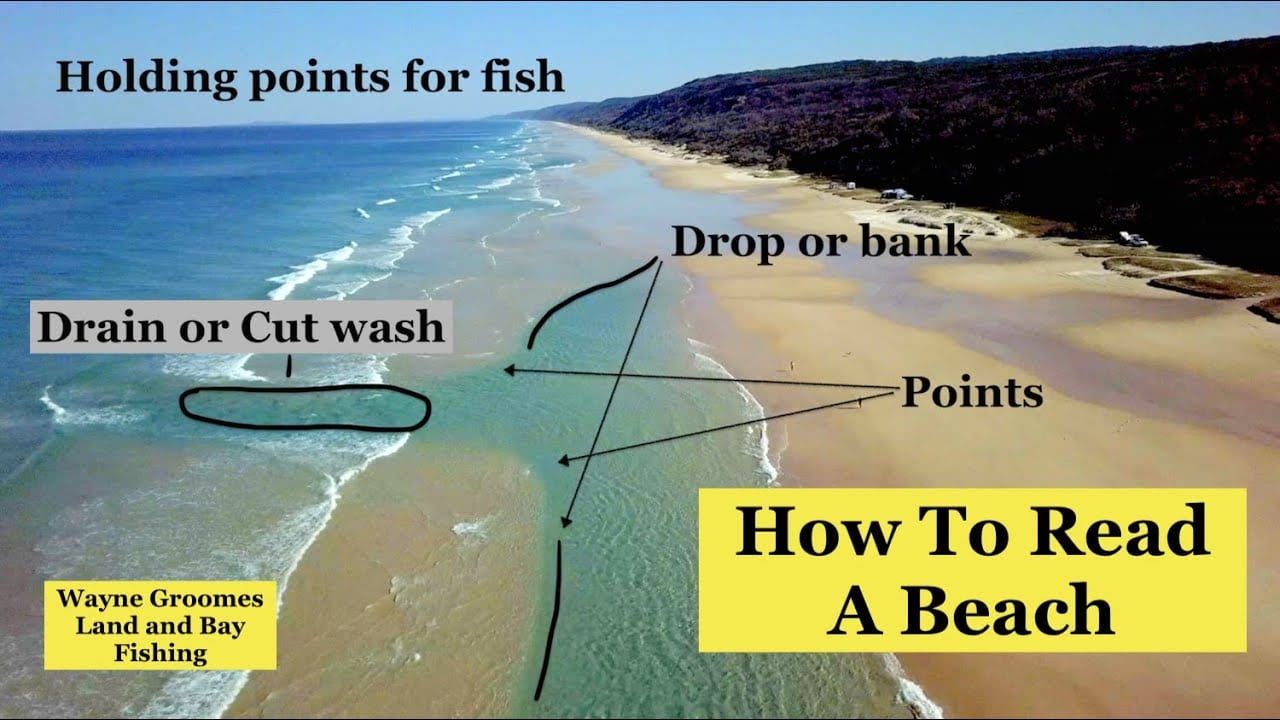
Credit: Land and Bay Fishing SEQ
To read the surf on K’gari (Fraser Island) sets you up for a calm and productive session. Start by spotting the gutter from a high point on the dunes. Look for deep, darker water running parallel to 75 Mile Beach with white-capped waves spilling gently on the outer bank.
These areas often hold tailor, dart and whiting close to the shore. Find the exits where fish travel in and out of the deeper water. Rip lanes and side channels shape how fish move on a rising or falling tide.
Cast along these exits for your best chance at a solid bite. Watch the whitewash as it meets the clear ocean water. That foamy edge is often a natural feed line perfect for your bait or lure.
Small crabs and baitfish get trapped in this turbulent zone. Predators wait just below the foam to snatch an easy meal. Place your cast right on the edge of the white water for the best results.
If a gutter feels quiet after twenty minutes, move with purpose to another structure nearby. To take five minutes before each session to study the surf helps you pick the right spot. This simple habit saves time and keeps your trip laid-back.
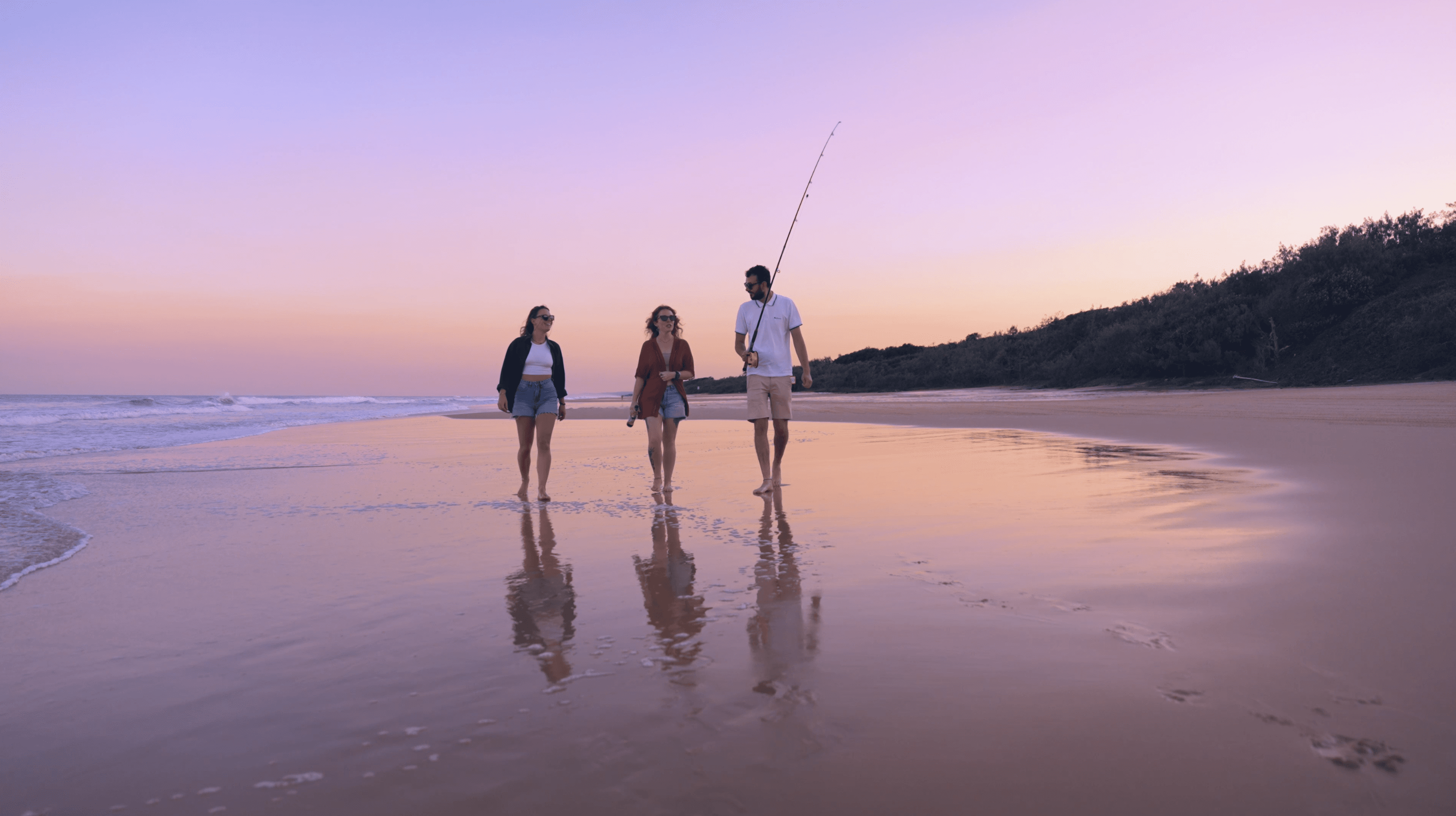
Selecting the right bait for K’gari fishing simplifies your day and lifts your catch rate. Local waters reward those who keep things fresh and match bait to their target species. A small selection of quality bait beats a heavy tackle box every time.
| Target Species |
Best Bait Options |
Ideal Fishing Zone |
| Tailor |
Pilchards, metal lures |
Fast water, whitewash edges |
| Whiting and Dart |
Beach worms |
Clean sand gutters, shallow water |
| Bream and Flathead |
Yabbies, prawns |
Creek mouths, drop-offs, calm edges |
| Mulloway |
Fresh fish slabs |
Deep holes, low-light periods |
Pilchards remain a staple for tailor on 75 Mile Beach. A firm, cold pilchard holds up in the surf and lets you focus on the rhythm of each cast. Keep them on ice to ensure they stay secure on your hooks.
Beach worms on K'gari shine in shallow gutters for whiting and dart. You can catch them yourself in the wet sand or buy them fresh before you arrive. Thread them carefully onto a long-shank hook for a natural presentation.
If you find a calm edge or creek mouth, try yabbies or prawns for bream and flathead. These natural baits sit well on light leaders and drift with the current. They appeal to close-in feeders along clear sand gutters.
A gentle cast keeps these soft baits intact as they hit the water. Let them roll naturally along the bottom to mimic a loose meal. This simple method often produces the most consistent results.
When tailor schools move fast or birds work close, metal lures are ideal. Cast beyond the shore break, then work your lure back through the foam. Let each retrieve match the flow and keep your presentation natural.
Small hard-body lures also work well when the water runs clear. You can twitch them through the shallow gutters to trigger aggressive strikes. Lures allow you to cover more water quickly without the need to re-bait.
Packing light makes each session on K’gari feel easier and more enjoyable. You only need two main setups for most beach casts on 75 Mile Beach. For tailor, use ganged hooks with a pilchard and a sinker matched to the surf sweep.
A short length of wire or a heavier, mono leader prevents sharp teeth from cutting your line. This rig stays strong in the wash and helps land fast-running fish. It provides the durability needed for the rough ocean conditions.
For whiting and dart, use a light leader and small long-shank hooks. Add just enough weight to allow a natural drift along the bottom. This setup lets bait move with the current and appeals to fish close to the shore.
Both rigs keep things simple and quick to tie on the beach. A strong knot is essential for confidence and smooth casts into the wind. Learn an easy leader join and keep a few pre-tied traces handy for fast changes.
Add pliers, a line cutter, a headlamp and a sand-friendly rod holder to your kit. These basics keep you ready and comfortable throughout the day. They help you stay focused on the gentle rhythm of K’gari beach sessions without the stress of heavy gear.
A gentle rhythm shapes the best trips to fish K’gari. Two hours either side of high tide lets you cast into gutters as they fill with fresh water. This is when whiting, tailor and dart push close to the shore to feed.
Low tide offers quiet time to walk the sand and spot deep holes. You can mark safe access lines for your 4WD before the water returns. Queensland Parks recommends you avoid high tide driving, as some areas may be more affected by tidal activity and onshore winds. This preparation makes your next cast much more effective and safe.
Dawn and dusk bring softer golden light, crisp cooler air and a deeply relaxed pace. Many species feed confidently in these low-light windows. You can cast with fewer crowds and enjoy more room to move along the beach.
Let your bait drift with the flow of the current. Only add weight when the surf pulls your line completely out of the feed lane. A natural presentation always works better than a heavy sinker anchored to the sand.
This approach keeps your session calm and deeply focused. It matches the natural rhythm of the beach and the ocean. Each detail adds comfort and clarity to your K'gari fishing trip.
To cast a line on K’gari feels best when you know the rules and move with care. Before every trip, check current K'gari fishing regulations. Pay attention to size limits, bag limits and seasonal closures.
These rules protect fish stocks and keep the island fair for all visitors. A quick check of the local guidelines ensures you stay compliant. It removes the worry of heavy fines and lets you relax completely.
Stay aware at Indian Head and Waddy Point where the ocean meets the rocks. Wet stones and fast waves can catch you off guard very quickly. Queensland Parks advises staying away from rocks, as surf and swell can quickly wash you away. Only stand on these headlands when conditions suit and always use a stable stance.
Plan your beach drives strictly with the tides in mind. Never risk driving through saltwater in your 4WD. Carry recovery gear and allow plenty of time to reach your spot and return safely before high tide.
Wildlife matters deeply in this protected environment. Store food, bait and your catch in sealed containers inside your vehicle. Leaving unsecured fish and bait, including hanging food, bait or berley from cars, trees or tents, is considered an offence under Queensland Parks rules. Dingoes may approach, so never feed them or leave fish frames behind on the sand.
Collect all hooks, lines and rubbish before you leave your spot. Clean catch care protects the beach and local animals from harm. Small choices help protect this special place for future guests to enjoy.
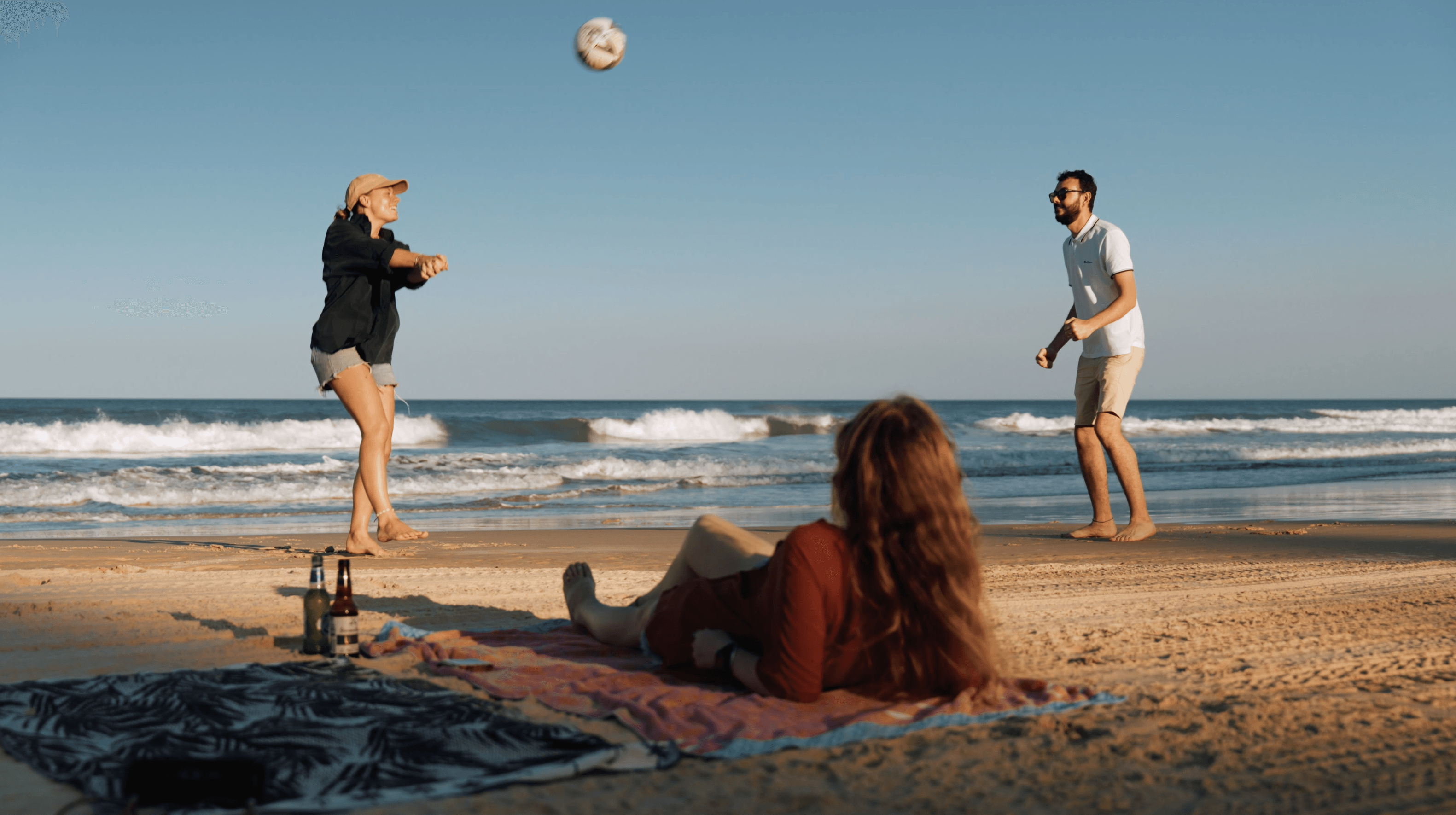
After a sun-soaked day on 75 Mile Beach, savour the deep comfort and restorative peace that true privacy brings. The Haven on K’gari sits right on the dunes. You can step from your quiet beach house straight onto the shoreline.
Pick the right season and find a promising gutter for your casts. Match your bait and rig, then settle in for your favourite tide window. Keep your routine easy with chilled bait and attentive catch care.
Thoughtful details like hot showers, quality linens and a well-equipped kitchen help you unwind.
Ready for an unforgettable coastal escape on the island? Pack your bags, leave the noise behind and contact us to book your stay.