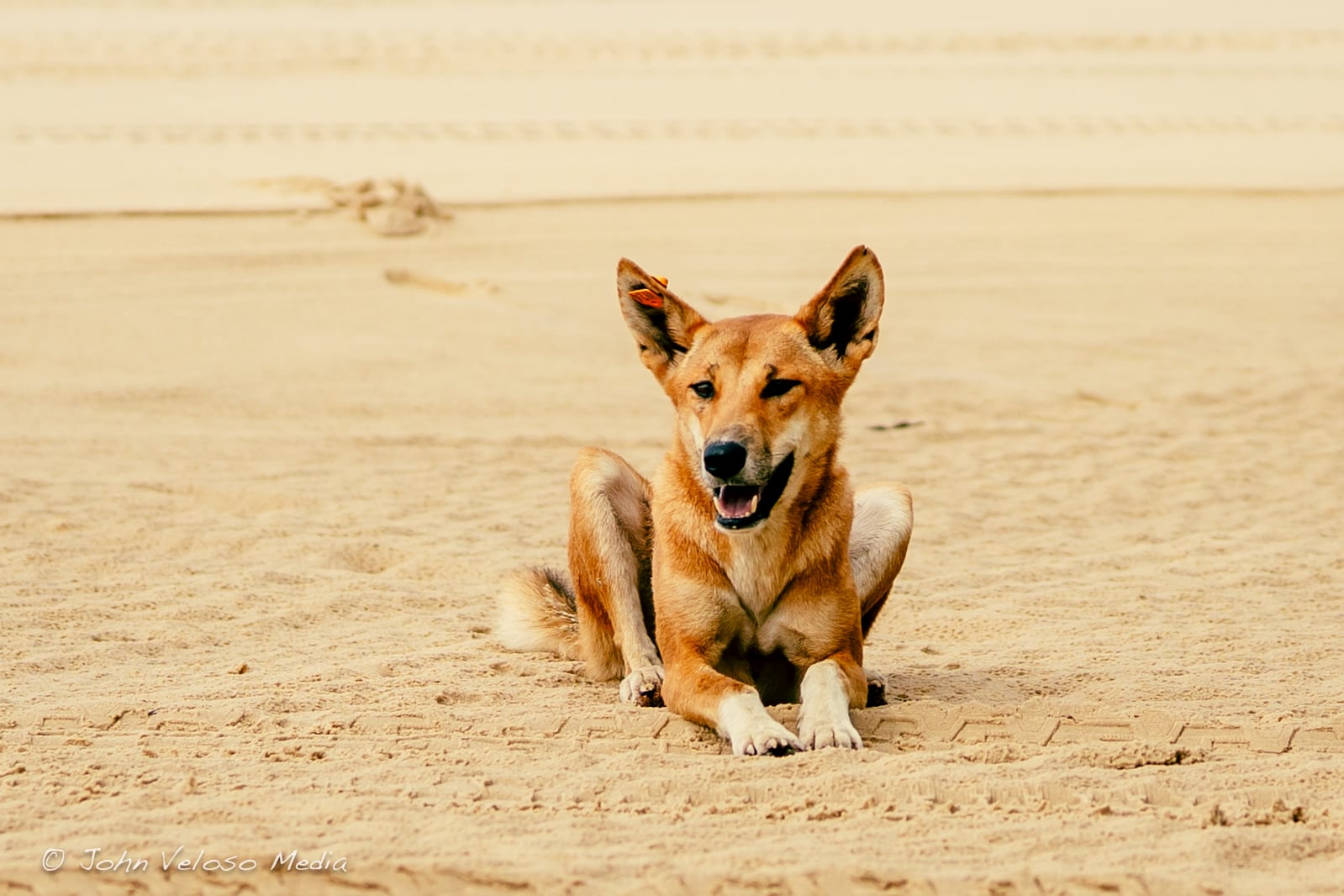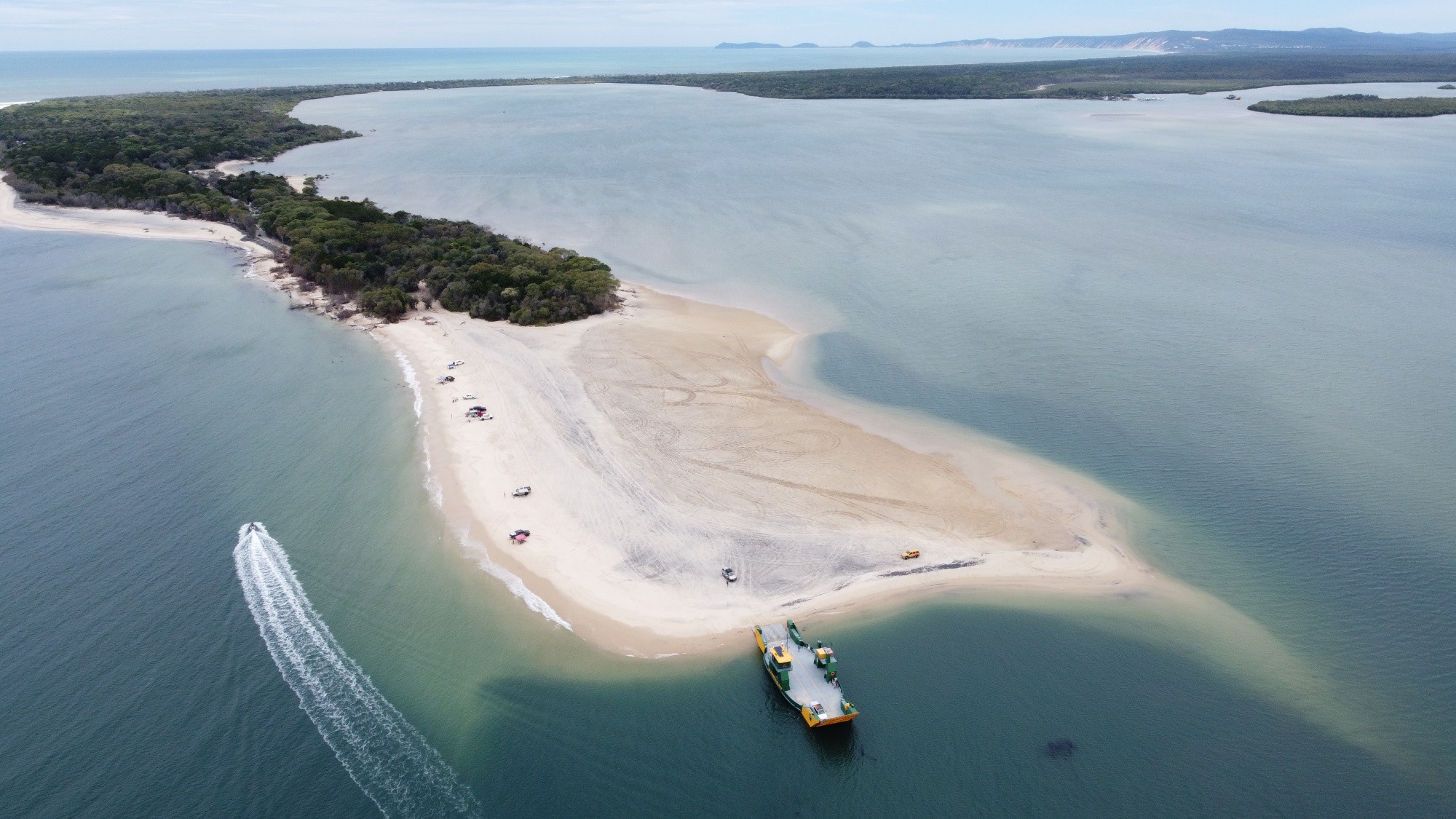

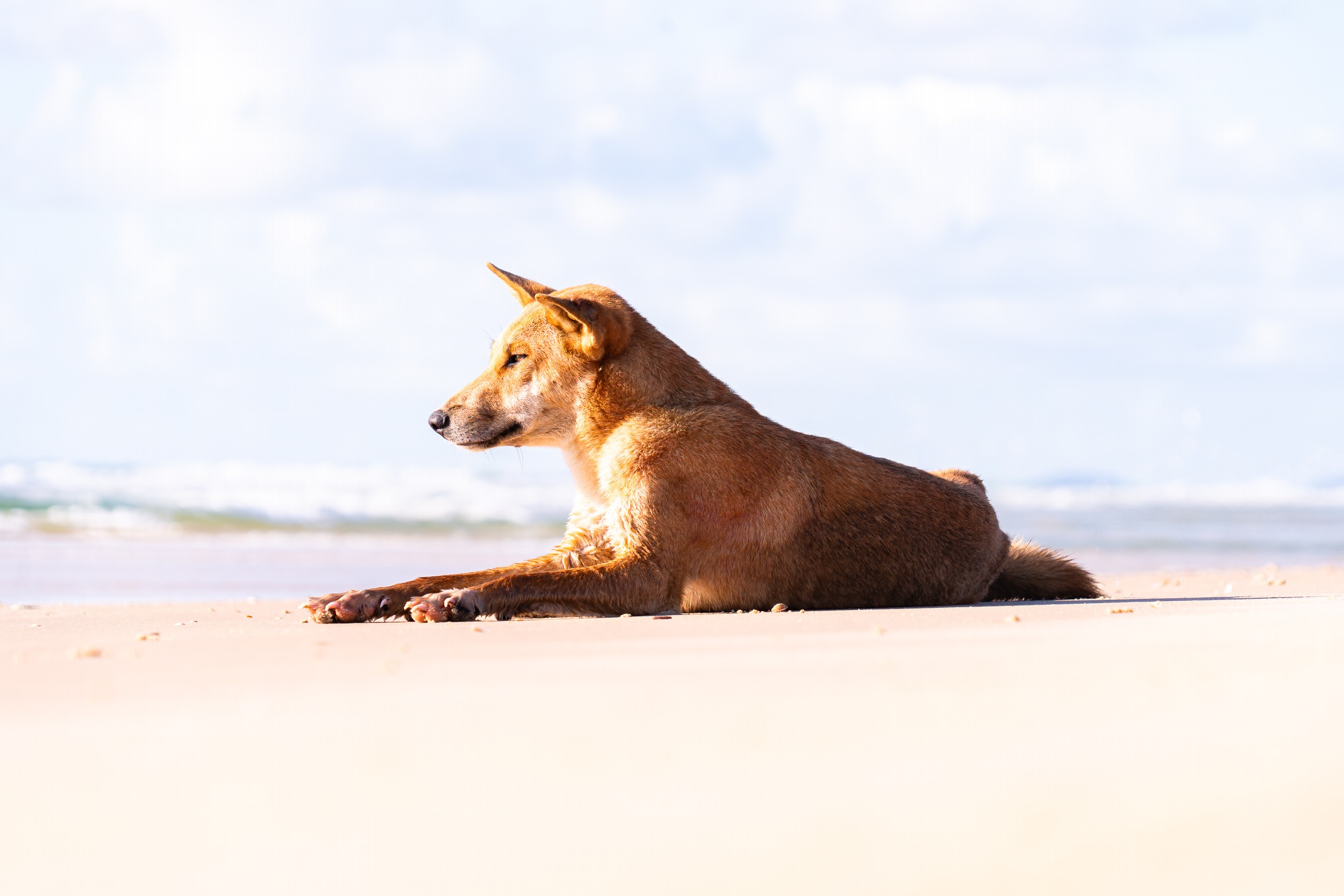
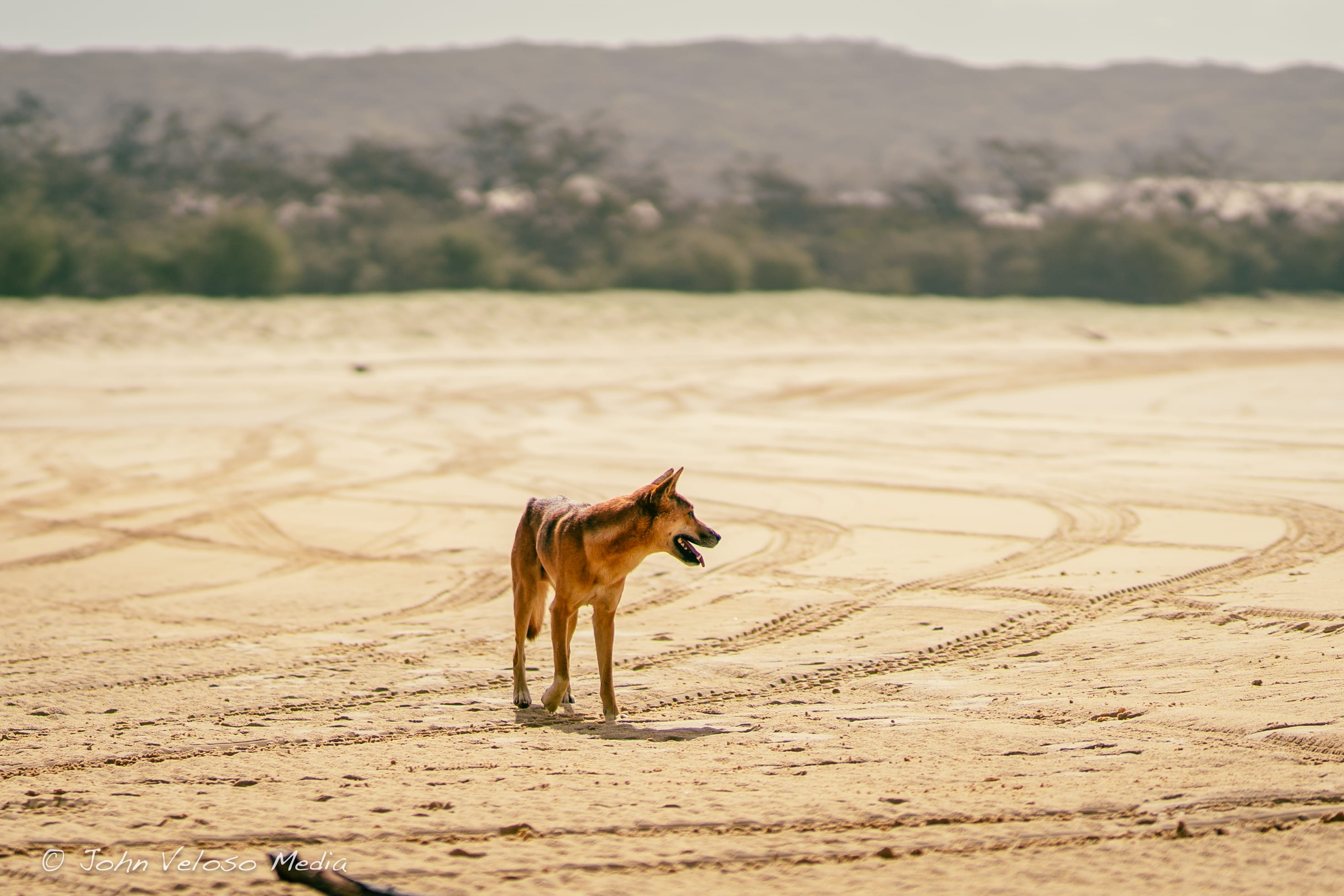
Planning a trip to K’gari often includes the hope of seeing a wild dingo, a signature part of the island experience. With recent
headlines, however, you might be feeling a mix of excitement and concern, looking for clear guidance on the real risks and how to stay safe.
From the beach and inland tracks to camp areas, townships and cars, small choices shape each encounter. A calm approach, respect for Fraser Island dingo rules and up-to-date Queensland Parks advice can help you enjoy K’gari with confidence and protect these wild animals.
K’gari, also known as Fraser Island, is a place of ancient sand dunes, freshwater lakes like Lake McKenzie and wild coastlines. Here, the dingo holds a special place in the landscape and in the story of the island. Locals and park rangers often use the word ‘wongari’ to honour the Butchulla language and the deep connection between Indigenous people and place.
A Fraser Island dingo looks lean and agile, with a sandy or ginger coat, pointed ears and a bushy tail. They usually weigh between 13 and 20 kilograms. Their diet includes fish, crabs, reptiles, birds and small mammals.
Dingoes live in packs and move through wide territories. They use both the ocean edge and the forests for shelter and food. Their presence as apex predators is a sign of a healthy, functioning ecosystem.
K’gari dingoes are considered ‘pure’ dingoes as they have very little domestic dog ancestry. This matters for conservation, as they represent one of the last strongholds for the native species in Australia. Their protection is a key part of the island’s management.
Population estimates vary but there are generally around 100 to 200 dingoes on Fraser Island at any time. You may see them along 75 Mile Beach, near dune tracks, around campsites and sometimes close to inland lakes and creek mouths.
Dingoes on K’gari notice people and learn quickly. Habituation is a process where a dingo grows used to people and loses some natural wariness. This happens from repeated, neutral encounters over time.
Food-conditioning happens when a dingo links people, camps or cars with an easy meal. Once that link forms, the same animal may return to the same spot expecting more. Even a single food reward can shape dingo behaviour for life.
Small daily choices have a big impact. Leaving bait, snacks or rubbish unattended invites repeat visits. Stray crumbs, wrappers on the sand or a picnic left open, all send clear signals to curious dingoes.
When food or scent is easy to access, dingoes return. Hotspots develop where visitors gather and pause. Beaches, barge landings, camp zones and township edges all fit that pattern.
Dingoes also move through these places because they offer open travel routes and access to natural food. Visitor numbers rise in holiday seasons, while natural food sometimes grows scarce. This combination draws dingoes closer to busy areas.
Fraser Island dingo rules and clear guidance exist to break the food link. They help both guests and dingoes avoid risky encounters. Careful habits make a difference for everyone who loves the island.
K’gari dingo behaviour generally falls into three categories. Understanding the difference between curious, confident and aggressive actions helps you respond correctly.
| Behaviour Type |
What It Looks Like |
Your Response |
| Curious |
Watching from a distance, pausing to observe. |
Stay calm, keep your distance, continue moving. |
| Confident |
Walking closer, showing interest in your gear or food smells. |
Stand tall, speak firmly, back away slowly. |
| Aggressive |
Snapping, lunging, circling or persistent following. |
Do not run. Keep vigilant. Retreat to shelter and report the incident. |
Risk rises when people walk alone, carry visible food or move near dusk, dawn or den areas. Leaving bait, snacks or scraps can attract unwanted attention. Children and solo travellers need extra awareness in quieter areas or on empty beaches.
Recent headlines about dingo-attack events on K’gari have indeed left many visitors feeling cautious. While these incidents are rare, they are a stark reminder that these are wild animals. Sensational news can spark anxiety but understanding the real context is the best way to replace worry with awareness.
The safest mindset keeps things simple. Notice your surroundings, keep a steady distance and move with calm purpose. Respect for these wild
animals lowers risk for everyone and helps protect the unique Fraser Island dingo population.
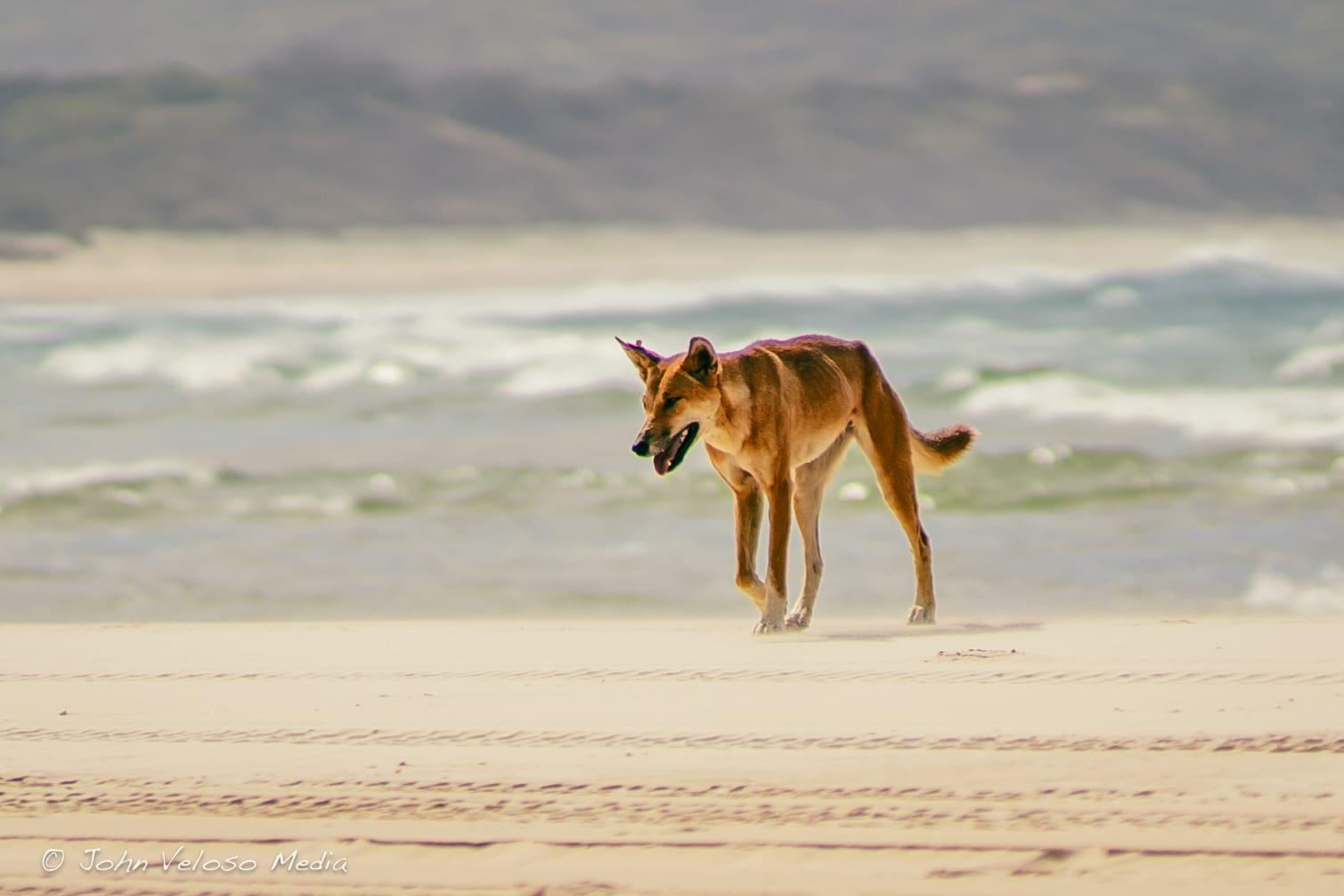
A Fraser Island dingo encounter can feel both surprising and memorable. Staying calm and knowing what to do helps protect you and supports dingo conservation across K’gari. These simple steps work in most situations.
Stand tall and face the dingo, keeping your arms by your sides or gently raised if needed. Hold your ground, avoid sudden moves and use a calm, steady voice. Avoid crouching, running or turning your back, as these actions can be misinterpreted.
Step back slowly, creating more space between you and the dingo. Maintain at least 20 metres away from any dingo you encounter. Walk with purpose, not haste. Do not run, as quick movements can trigger unwanted attention or chase behaviour from a wild animal.
If you are with others, stay together. Place confident adults at the front and keep children or anyone feeling unsure towards the centre. Collect bags, shoes, towels and fishing gear from the sand before leaving the area, as these items can attract curious dingoes.
If a dingo comes close, continue to back away in slow steps. Speak firmly but without shouting. Never offer food, even to distract or calm the animal, as feeding only encourages repeat visits and risk for future guests.
Simple, respectful actions help keep both people and dingoes safe. This approach lets you continue your K’gari journey with peace of mind and confidence.
Keeping food and scent under control on K’gari helps protect both you and the island’s wild dingoes. A few mindful steps can make all the difference. This allows you to relax and enjoy your stay with confidence.
Choose sealed tubs, sturdy zip bags and containers with tight lids for all your food. Pack only what you need and avoid loose items in bags or boxes. Conscious choices before you leave help you stay organised and avoid unnecessary mess later.
Always store food, rubbish, wrappers and bait in secure areas. Keep them well out of reach for wildlife. Rinse BBQ drip trays, cover eskies and dispose of fish frames quickly and correctly.
Even the scent from unwashed surfaces or empty cans can invite unwanted visits. A clean site offers no reward and encourages dingoes to move on.
Dingoes can smell food left in cars so keep windows up and food sealed in airtight containers. On the beach, choose snacks that leave little residue. Wipe hands, benches and picnic spots after eating to remove lingering scents.
These small habits keep your holiday calm. They allow you to experience K’gari at its purest without creating problems for the island's wildlife.
Start your day on the right foot by choosing the best time for a walk. The soft light of early morning and dusk is beautiful but these times, along with solo night walks, carry more risk. Plan your main explorations for the bright, clear daylight hours when you can see your surroundings easily.
Stay wide of dunes and thick vegetation where K’gari dingoes often move unnoticed. Pause and scan before crossing near freshwater creeks or inland track junctions. These spots attract both wildlife and people.
If you see pups or notice signs of a den, allow extra space. Quietly change your route and leave the area without fuss to give wildlife the peace they need.
Always carry a torch, whistle and a mental map of the nearest safe zones in case your walk takes longer than planned. Simple habits like these help keep every beach stroll or forest wander on K’gari calm and enjoyable.
Consider carrying a dingo stick when walking on the beach or moving through camp areas. These simple walking sticks are available from park offices and local operators on K’gari. If a dingo approaches, tap the stick firmly and rhythmically on the sand. The sound and movement signals confidence and helps deter curious or bold dingoes without escalating the encounter. Carry your stick visibly and use it calmly rather than aggressively.
A dingo-safe camp starts with simple routines and a gentle respect for the wildness of K’gari. Keep outdoor spaces clean at all times. Never leave food, snacks or unwashed cookware on tables or decks, even for a short moment.
Pack away leftovers, used plates and rubbish straight after meals. Bring shoes, towels and backpacks inside at night. Small items can hold food scent or attract curious dingoes looking for an easy reward.
Wipe down benches and outdoor surfaces after eating to remove crumbs and odours. Set a steady rhythm for your stay. Cook, eat, pack away, clean and bin items immediately.
Avoid confrontations with wildlife by removing what attracts them rather than direct shooing or chasing. Follow signage, fencing and local
guidance in all designated camp and deck areas. These steps help you support K’gari’s dingo-safety rules.
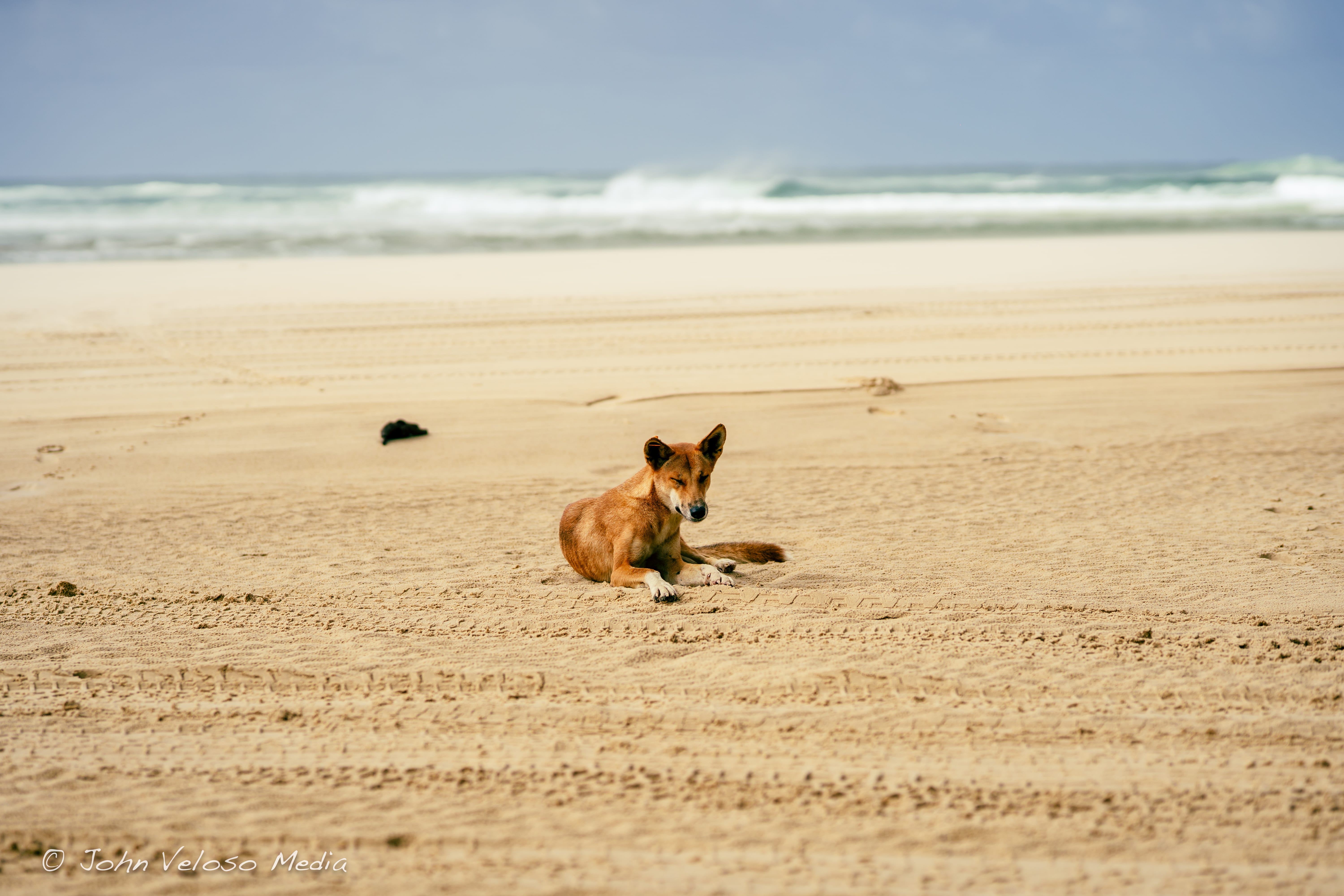
If a dingo comes close or acts in a way that feels bold, stay calm and stand tall. Face the dingo and keep your arms by your sides or slowly raise them to look bigger. Regroup with others if you are not already together.
Back away in slow, steady steps, keeping your eyes toward the dingo as you move toward shelter. Aim for a car or a fenced space. Do not turn your back.
Use a firm, clear voice. Clap your hands or lift your arms if the dingo does not move off. Do not throw food or objects and avoid sudden movements.
If you are carrying a dingo stick, use it as a calm but clear deterrent. Tap the stick steadily on the sand or ground as you face the dingo and back away slowly. The rhythmic tapping signals your presence and resolve. This technique works well on beaches, near campsites and along inland tracks.
If the dingo follows, snaps or crowds your group, continue to retreat and seek shelter. Persistent or aggressive behaviour means it is time to report the incident.
Take note of the time, location and the animal’s behaviour. Photos can help but only take them if you are safe. Report details to a ranger or Queensland Parks promptly.
Do not run, turn your back or try to rescue gear. Calm, steady actions protect both you and K’gari dingoes, ensuring a safer experience for everyone on the island.
Keep a gentle distance, show a calm posture and move with steady steps when you see K’gari dingoes. Never feed wildlife. Food and scent control remain the biggest factors so store food, clean up and manage rubbish across both beach and camp. Always check Queensland Parks alerts and follow on-ground signage for updates.
The Haven offers a quiet, adults-only base with room to relax, practical support and clear safety guidance. This allows you to enjoy the wild beauty of Fraser Island with peace of mind.
Ready to experience K’gari with confidence? Contact us for
thoughtful local help and start planning your respectful island escape.