
If you head to K’gari and feel the warm sand beneath your feet, a dingo (wongari) encounter may feel deeply special but it can also raise quick questions. You might wonder if dingoes are dangerous or what normal dingo behaviour looks like. You might also want to know when caution should arise on 75 Mile Beach or near campsites.
Most K’gari dingo interactions remain calm when people keep space, secure food and notice dingo body language early. Risk can increase near food smells, busy access points and camp areas. It helps to know what to do if a dingo approaches you and how habituated animals act around humans.
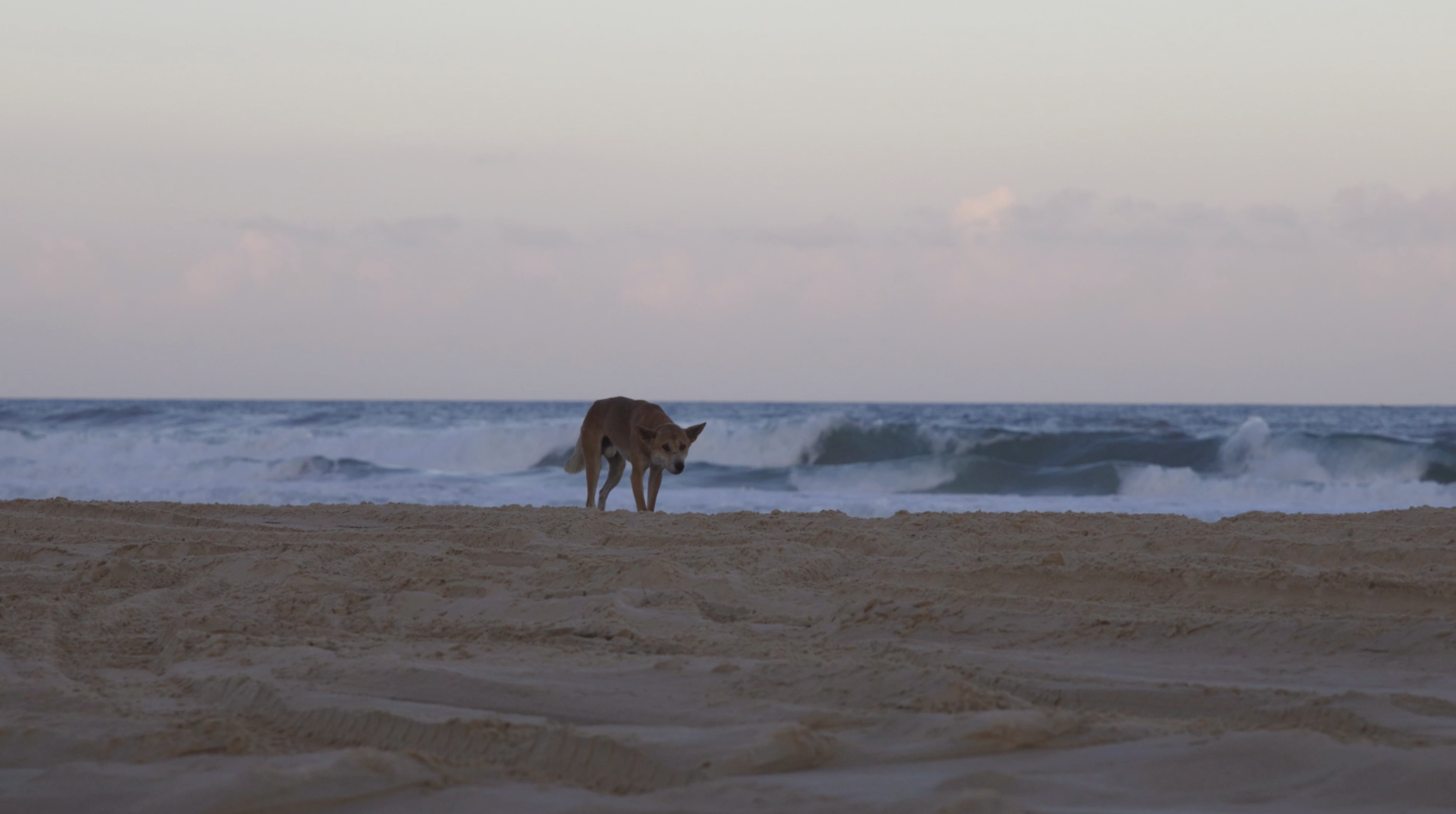
Dingoes on K’gari reveal a blend of wild instinct and learned habits. At their core, they are wary, intelligent, opportunistic and highly adaptable. Queensland Parks note that dingoes on K'gari play a key role in the island's ecosystem which is why it's important for them to remain wary of people. Most move quietly through the coastal wilderness and pause to watch the wind shift. They listen and assess the area before they show themselves.
You may notice dingoes act with cautious curiosity and often test distance before they decide to approach or retreat. Their strong food motivation drives them to check for smells around beach access points, camps and bins. This opportunistic scavenger habit sits at the heart of dingo behaviour on K’gari.
Dawn, dusk and night bring peaks in activity when the salty coastal air cools and 75 Mile Beach empties. At these times, dingo (wongari) behaviour at night can feel bolder or more persistent near food.
Dingoes in remote areas keep more distance and use cover and silence to move unseen. On K’gari, some animals adapt quickly to humans and become known as habituated dingoes. When people leave food or rubbish unattended, these dingoes lose their natural fear.
They return to busy areas, circle camps or follow travellers along 75 Mile Beach. Tourist-area patterns often involve more direct approaches, repeated circles and quick boundary tests. Understanding these differences helps you read behaviour and respond with calm, informed confidence in real time.
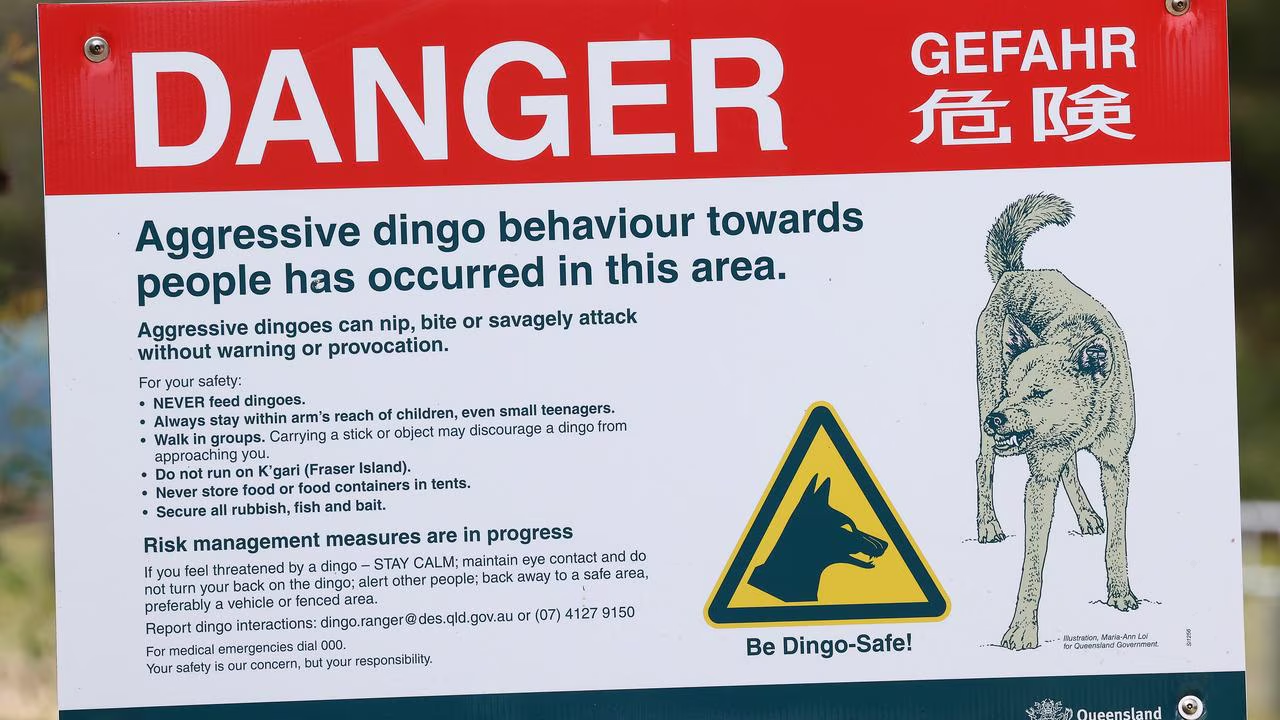
Dingoes on K’gari usually keep space but risk can rise in certain conditions. The Queensland Government notes that while dingoes have the potential to be dangerous, dingo attacks are rare in statistical terms. Most do not act aggressively unless they feel rewarded or threatened. A dingo that links humans with food or easy access may lose its natural caution and start to test boundaries.
Habituated dingoes used to people can become more assertive. Reports of dingo attacks on K’gari often share common triggers. These include unattended food, crowded campsites, sudden noise and movement.
You should be aware if you see food has been left out or you detect strong food smells. Large crowds at picnic areas can also cause issues. Running, panicked steps and lone walks at dawn, dusk or night increase the risk of a negative encounter.
Prevention offers the calmest and lowest-stress solution. Keep food and rubbish secure, move with confidence and stay in groups when possible. Early awareness and simple safety steps let you share space with wildlife with less worry and more respect for nature.
Dingoes on K’gari may approach, follow or stare for a few reasons. Understanding these patterns helps everyone feel calmer on 75 Mile Beach or along forest tracks. Curiosity drives many first encounters.
A dingo may watch or walk behind you. They might also pause to observe your movement. This simple check allows them to gauge your reaction.
Often they assess if you are a source of food as they sniff the coastal breeze. Habituated dingoes learn that people sometimes drop scraps or leave bait. They check for food cues and test boundaries.
When you see a dingo follow or circle, it could be an escort behaviour. This often happens through its territory, near a den or along a familiar travel route.
Most escort actions stay brief and distant. If a dingo starts to close the gap, circles repeatedly or tries to come behind you, this persistence signals a shift from normal curiosity. You should not ignore this behaviour.
Calm and early action helps prevent escalation and keeps both people and dingoes safe. To read these subtle changes lets you enjoy your time on K’gari with confidence.
Dingoes use subtle signals to communicate intent. To tune into dingo body language helps you respond with calm and confidence. Start with posture. A relaxed dingo stands loose, moves softly and holds its tail low or level. Ears stay upright or gently forward.
When a dingo tenses, you will notice a stiff stance, a raised tail, hackles along the back and ears pinned back. Calm curiosity often looks like a side-on glance, slow steps and regular pauses. Agitation or escalation appears as direct stares, quick head dips or a determined walk with a low head.
When you see repeated close passes or the animal tests your space, you should treat this as a sign to stand firm and protect your boundary. The message of a dingo howl can signal territory or connect with family. Yelps and growls may warn or express discomfort.
Silence paired with focused movement deserves your attention. Notice scent marks on tracks or dune edges, as this shows dingo territorial behaviour. For fast decisions, you can use a simple traffic light system.
| Signal |
Body Language |
Action Required |
| Green |
Loose body, retreat, short glances |
Stay calm, observe from a distance |
| Amber |
Raised tail, intent focus, circles |
Group up, prepare to stand firm |
| Red |
Stiff advance, raised hackles, growls |
Hold your ground, never turn your back |
Dingoes on K’gari often move as individuals but you may also notice signs of pack behaviour along 75 Mile Beach or near food-rich areas. Packs defend territory and use scent marks and patrols to keep rivals away from key resources.
When a pack holds a zone, you may see more confident and direct movement. You might hear distant howls as a way for them to claim space. Juvenile dingoes tend to act with extra boldness. They sometimes dart, play or test limits near camps and tracks.
Seasonal shifts affect movement too. The breeding season or food scarcity can make dingoes roam further or act more defensively. Groups of people usually deter an approach.
Several adults together appear less vulnerable and reduce the chance of a dingo close encounter. Noticing these patterns helps you respond with calm, confidence and respect for the natural flow of life on K’gari.
Dingoes (wongari) often travel along 75 Mile Beach, where the open sand and gentle breeze make it a natural corridor. You may spot them near beach access points, picnic areas and campsites at dawn or dusk. Fish waste stations, bins and outdoor food-prep spots attract curious animals in search of easy meals.
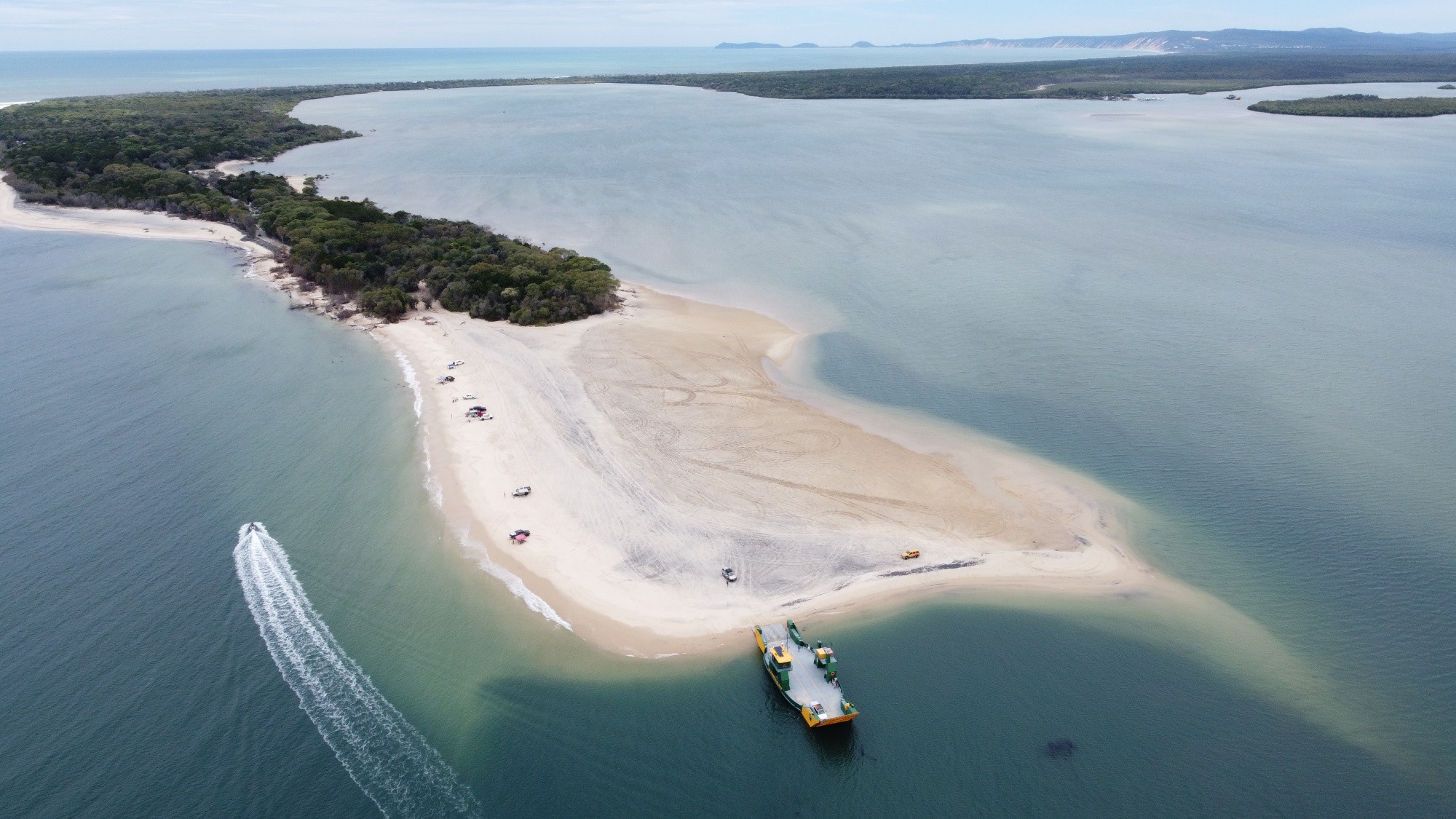
Mantaray Barge arrival points and the nearby tracks see increased activity as vehicles, food and people arrive together. If you pause for a break in your 4WD, always stop in a safe spot, keep doors closed and store any food or rubbish out of reach. Breathe in the coastal air and watch quietly. You will know every careful choice helps to keep these moments safe and respectful.
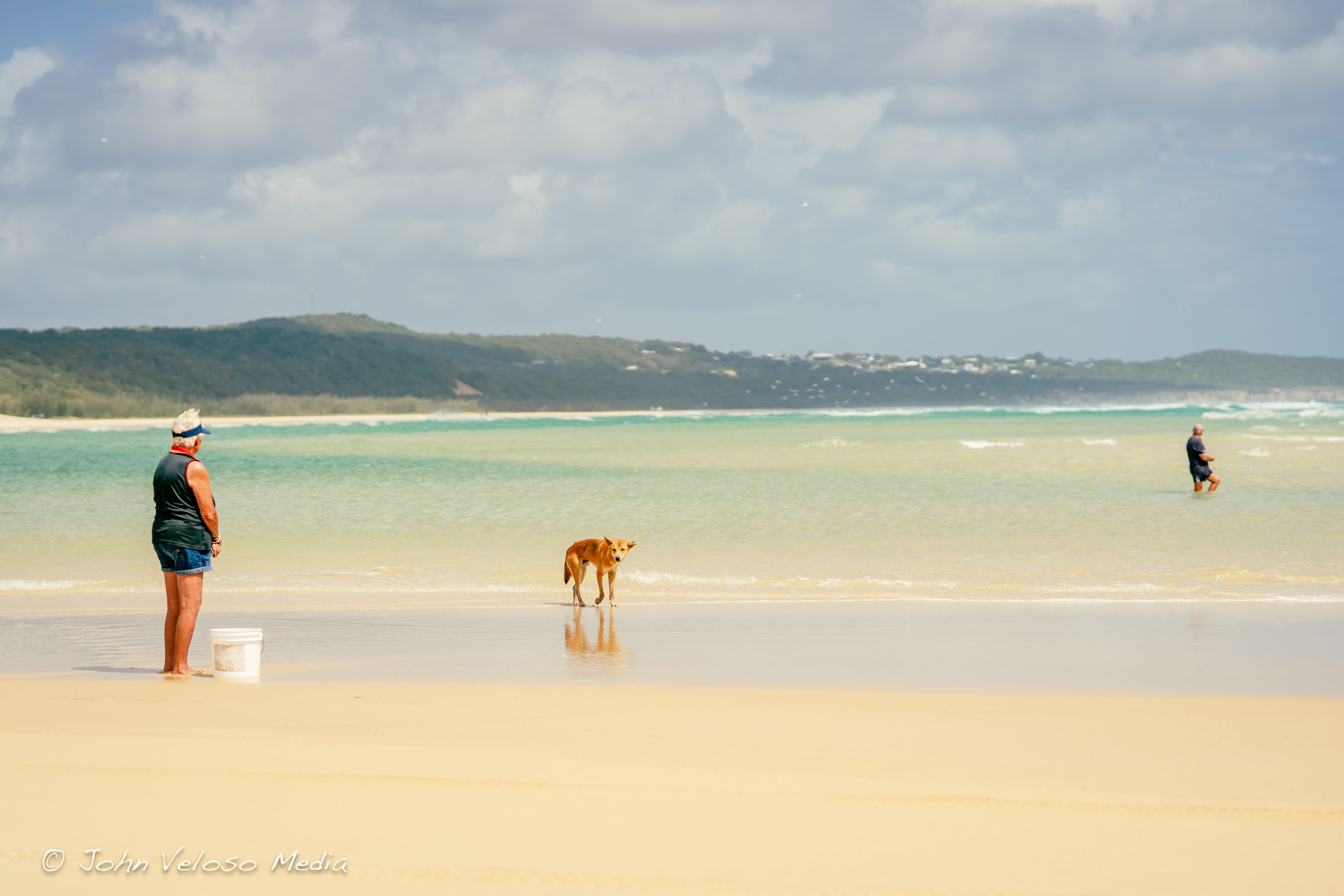
A dingo encounter on K’gari can feel both deeply special and suddenly intense, sending a quick thrill through your chest. To stay calm and confident is your best tool for a safe outcome. Whether you stand on 75 Mile Beach or a quiet inland track, a few practical steps can make all the difference.
Stop where you are and face the dingo directly. This shows you are aware and not a source of food or an easy distraction. Keep your body relaxed but steady with your arms close to your sides. Give the dingo space and maintain a clear distance.
Back away slowly whilst keeping your eyes on the animal, though without a direct stare. Never turn your back or run, as fast movement can trigger curiosity or chase instincts. If you travel with others, you should come together and stand as a group.
Protect your personal space and keep less confident travellers close. Use a firm and low voice if the dingo comes closer and stand tall to signal confidence. Move with purpose but without panic until you are in a safer spot or the dingo loses interest. Once you feel safe, you should report any persistent or bold dingo behaviour to park rangers so they can help protect both visitors and wildlife.
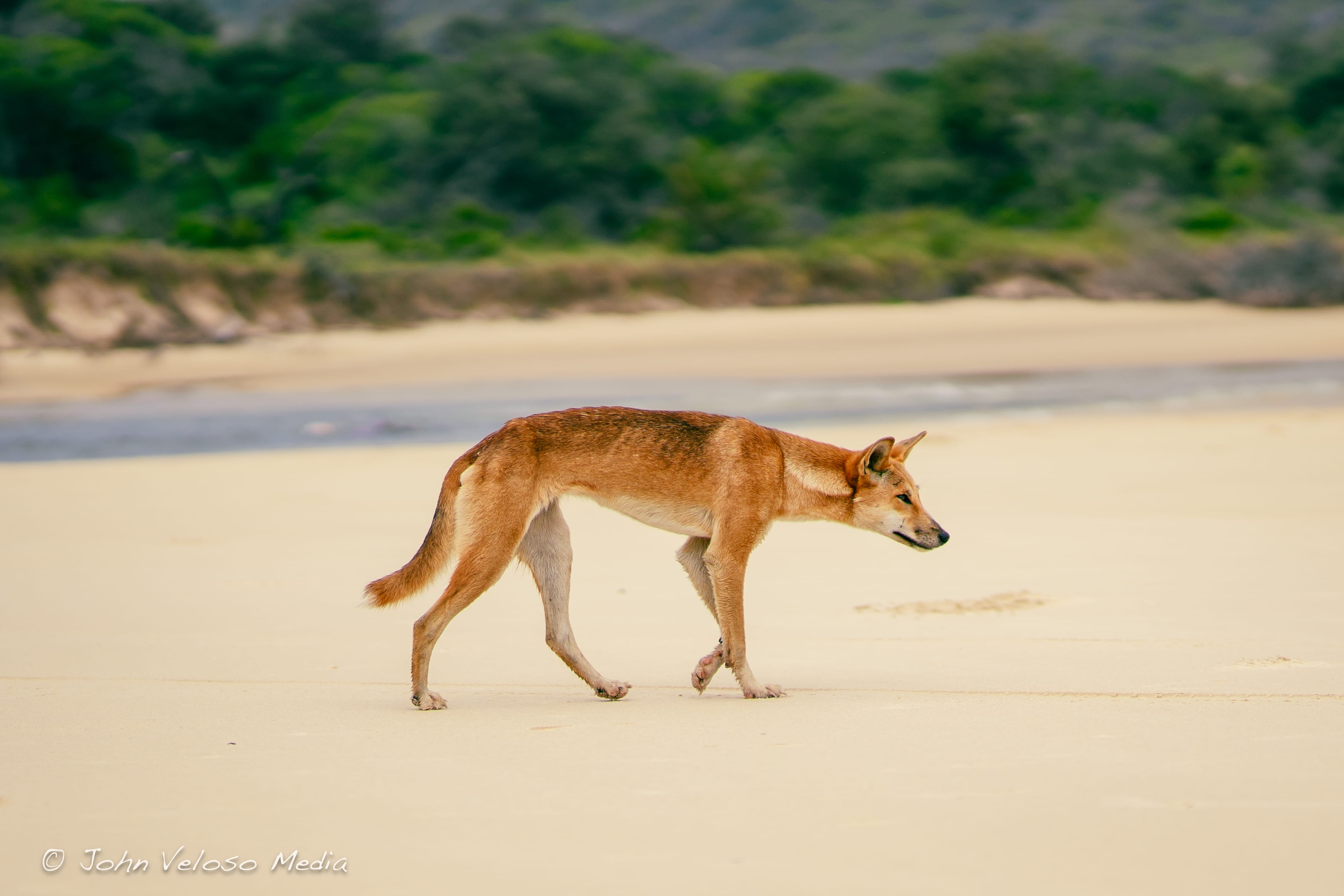
The salty ocean breeze can carry the scent of a small snack across the dunes. Use secure containers for all food and store it inside your accommodation or your 4WD. After every meal, you must tidy up crumbs and waste, scrub dishes and keep rubbish in sealed bins.
Fish, bait and toiletries with strong smells are best packed away. Dingoes notice items left out. Stash shoes, bags, eskies and curious items out of reach.
Avoid gear left on verandahs or sand. Resist the urge to test dingo reactions or entice them closer with food or novelty. To feed or interact with them builds dangerous habits for both people and dingoes. It is also illegal and incurs a hefty fine.
As sunset settles over K’gari, you should zip tents, stow supplies and wrap up meals early. A peaceful and tidy camp keeps curious dingoes at a distance.
These mindful routines help protect the wild spirit of the island while they keep your escape comfortable, safe and undisturbed. Small habits make a big difference for future guests and the health of the unique ecosystem on K’gari.
Small choices can make dingo (wongari) encounters on K’gari less predictable. The most common mistakes begin with panic. To run, squeal or wave arms, attracts attention and as Queensland Parks warn, running or jogging can trigger a dingo's instinct to chase. A close photo attempt can encourage boldness near camps or on 75 Mile Beach so keep your distance.
Food, bait or rubbish left on sand, tables or near vehicles invites scavenger habits. This teaches dingoes they can find easy rewards near people. Lone walks at dawn, dusk or night raise the chance of a close encounter in quiet light. Dingo activity peaks in these hours.
A cornered dingo near a vehicle or a narrow track prevents a safe retreat and can lead to defensive moves. Never assume a dingo is like a domestic dog. To touch or play with a wild animal is always unsafe.
Enjoy peace of mind on K’gari when you read dingo cues early, secure food and keep a comfortable distance. Calm and respectful habits help protect both visitors and the island's wildlife. This makes every encounter feel intentional and safe. Adults-only retreats at The Haven support quieter routines with fewer triggers and more mindful moments by the sea.
Thoughtful design, gentle reminders and nature-focused comfort turn dingo safety tips into second nature. With direct access to 75 Mile Beach and a relaxed, private retreat, you can unwind and reconnect. You will know you support low-impact travel on K’gari Fraser Island.
Ready to discover K’gari and beyond? Plan your next purposeful escape, pack your bags and get ready for an unforgettable coastal retreat. Contact us to learn more about mindful beachfront stays at The Haven.